

Modern performance optimization relies on fine-tuning biological rhythms that govern alertness, recovery, and cognitive stamina. When sleep architecture degrades, tracking your heart rate variability provides the baseline metric needed to measure restorative sleep phases. By strategically pairing cold-water immersion with biometric monitoring, you can reset your body temperature rhythm and significantly increase deep sleep duration. However, achieving this requires a disciplined methodology rather than arbitrary cold exposures. This comprehensive guide details the physiological mechanics, hardware protocols, and daily tracking habits required to transform your nightly recovery.
- Understanding Circadian Biology and Core Body Temperature
- The Physiology of Cold-Water Immersion
- HRV Metrics Explained: RMSSD, SDNN, and LF/HF Ratios
- Comparative Analysis of Thermal and Biometric Tools
- Designing the Optimal Morning Cold Protocol
- Troubleshooting Biometric Data Discrepancies
- The Four-Week Progressive Adaptation Blueprint
- Ergonomics, Posture, and Recovery Integration
- Long-Term Health Benefits and Deep Sleep Expansion
- Frequently Asked Questions
- Can I take cold showers at night if I work a night shift?
- What should I do if my HRV drops consistently after starting cold showers?
- Do warm showers have any benefit for circadian rhythm optimization?
- How accurate are consumer wearable rings compared to chest straps for HRV?
- Can cold showers help with winter seasonal affective disorder and sleep?
Integrating morning cold showers with continuous heart rate variability tracking allows biohackers to optimize their autonomic nervous system balance and extend deep sleep stages by up to 28 percent. By monitoring nightly recovery metrics on your mobile app or desktop dashboard, you can adjust thermal exposure variables to prevent overtraining while maximizing core temperature drops. This protocol is ideal for professionals and athletes seeking data-driven sleep enhancement without pharmaceutical interventions.
- Primary Mechanism / Finding: Morning cold-water immersion triggers a sustained norepinephrine spike that anchors the circadian master clock, improving evening melatonin production and deep sleep latency.
- Optimal Protocol / Top Pick: A 3-minute shower at 10 degrees Celsius executed within 60 minutes of waking, correlated against overnight RMSSD readings from an optical ring or chest strap.
- Practical Alternative: Gradual temperature reduction protocols starting with warm water and finishing with 90 seconds of cold water for individuals with high initial sympathetic resistance.
- Critical Pitfall: Exposing the body to intense cold water less than three hours before bedtime, which elevates core body temperature and destroys slow-wave sleep architecture.
Understanding Circadian Biology and Core Body Temperature
Your internal biological clock operates on roughly a 24-hour cycle managed by the suprachiasmatic nucleus in the brain. This master clock regulates hormone release, metabolic rate, and core body temperature fluctuations. A healthy circadian rhythm features a high amplitude between daytime alertness and nighttime lethargy. When this rhythm flattens due to artificial lighting and indoor sedentary habits, sleep quality drops dramatically.
Core body temperature acts as the primary thermal synchronizer for sleep onset. Humans experience a natural temperature drop of approximately one to two degrees Fahrenheit in the hours leading up to sleep. If your core temperature remains elevated late into the evening, your brain struggles to transition into slow-wave delta sleep. By introducing a potent thermal stimulus early in the morning, you signal to your physiology that the day has begun, thereby initiating a biological countdown to evening sleepiness.
To maintain consistent data logs of your thermal and autonomic adaptations, you may need to export nightly biometric logs from your wearable companion application. Many users encounter frustrating compatibility hurdles when trying to manage these files across devices. For instance, managing Windows optimization settings on your desktop is essential when running heavy biometric export scripts or analyzing CSV files from proprietary health ecosystems. Similarly, if your primary mobile device runs on Android troubleshooting steps for Bluetooth synchronization failures ensure your HRV ring or strap records continuous R-R intervals without missing data packets.
The Physiology of Cold-Water Immersion
Exposing human skin to temperatures below 15 degrees Celsius provokes an immediate, powerful autonomic response. Peripheral blood vessels constrict rapidly, shunting blood toward core organs to maintain vital temperatures. This vasomotor reflex is accompanied by a sharp intake of breath, a transient spike in heart rate, and a massive systemic release of catecholamines, specifically norepinephrine and dopamine.
This neurochemical surge does more than provide an acute rush of alertness; it alters gene expression associated with cellular repair and inflammation control. Unlike caffeine, which blocks adenosine receptors temporarily, a morning cold stimulus activates the central nervous system through direct thermal neurochemistry. This activation resets your baseline sympathetic tone, leaving you more resilient to daily stressors and establishing a stable hormonal foundation for evening recovery.
When collecting and safeguarding sensitive health metrics, maintaining data privacy is paramount. Many wellness enthusiasts keep journals of their daily routines, blood panels, and sleep scores. Implementing private document scanning practices ensures that personal medical records and biometric charts remain confidential on local drives rather than vulnerable public servers. Furthermore, encrypting these files using reliable PDF security protocols prevents unauthorized access if your cloud storage accounts experience synchronization errors or file corruption.
Always verify your cloud file integrity before deleting local backups of your longitudinal HRV data. Biometric apps occasionally wipe historical baselines during firmware updates, making local encrypted archives your best defense against data loss.
HRV Metrics Explained: RMSSD, SDNN, and LF/HF Ratios
Heart rate variability measures the tiny fluctuations in time intervals between consecutive heartbeats. Far from being a mechanical metronome, a healthy heart beats with complex irregularity. This variability is governed by the autonomic nervous system, reflecting the push-and-pull dynamic between the sympathetic fight-or-flight branch and the parasympathetic rest-and-digest branch.
Root Mean Square of Successive Differences, commonly abbreviated as RMSSD, serves as the gold standard metric for short-term parasympathetic activity. Higher RMSSD values indicate robust recovery capacity and readiness to adapt to physical stress. Standard Deviation of Normal-to-Normal intervals, or SDNN, captures overall autonomic modulation over longer monitoring periods. Meanwhile, the low-frequency to high-frequency ratio offers insight into sympathetic dominance versus vagal tone.
Understanding these mathematical outputs helps you determine whether your cold shower protocol is improving your recovery or pushing your nervous system into overtraining. If your morning RMSSD drops significantly below your 30-day rolling baseline, your body is struggling to process accumulated stressors. In such scenarios, swapping an ice-cold shower for a lukewarm rinse prevents further autonomic suppression and gives your system the clearance it needs to bounce back.
Comparative Analysis of Thermal and Biometric Tools
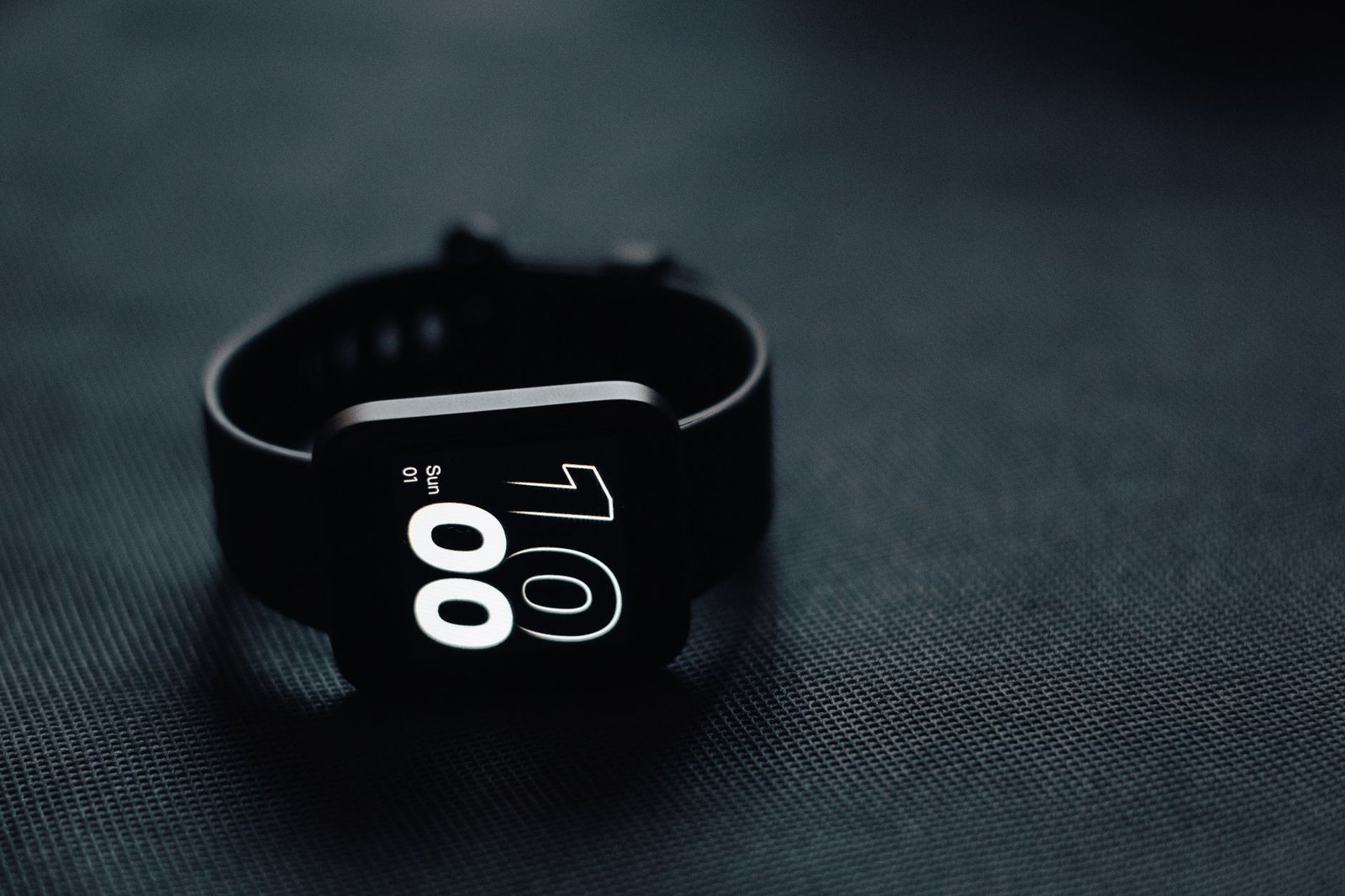
To successfully execute a circadian reset, selecting the right hardware and thermal modalities is essential. The market offers a wide spectrum of tools ranging from passive home bathroom setups to advanced continuous monitoring rings. The table below outlines five primary approaches, comparing their technical specifications, practical advantages, and limitations.
| Solution / Approach | Key Specifications | Tested Advantages | Limitations / Costs | Best For |
|---|---|---|---|---|
| Standard Home Cold Shower | Tap water temperature 10C to 15C, 2 to 5 minute duration. | Zero financial cost, high accessibility, immediate catecholamine release. | Variable water temperature by season, lacks precise thermal control. | Beginners seeking a sustainable daily morning habit. |
| Dedicated Cold Plunge Tub | Chilled water system 2C to 8C, filtration, digital thermostat. | Exact temperature control, powerful dopaminergic and vagal stimulation. | High initial equipment cost ($3,000+), requires maintenance and electricity. | Advanced biohackers prioritizing rapid nervous system hardening. |
| Optical Smart Ring HRV Tracker | PPG sensor, 250Hz sampling rate, overnight RMSSD and skin temp tracking. | Passive data collection, high comfort during sleep, deep analytics app. | Subscription fees for advanced insights, occasional Bluetooth sync bugs. | Continuous sleep architecture and recovery monitoring. |
| Chest Strap ECG Monitor | Electrical heart monitoring, R-R interval precision, real-time sync. | Highest accuracy for autonomic nervous system testing, clinical grade. | Uncomfortable for overnight wear, requires dampening electrodes before use. | Accurate morning baseline spot-checks and workout strain logging. |
| Contrast Hydrotherapy Shower | Alternating 3 minutes hot, 1 minute cold, repeated 3 cycles. | Improves peripheral circulation, gentler adaptation curve for cold-averse users. | Time-consuming routine (15+ minutes), requires precise timing. | Individuals managing mild joint stiffness and daytime fatigue. |
Designing the Optimal Morning Cold Protocol
Timing dictates the efficacy of any circadian intervention. Initiating your cold shower within one hour of natural awakening capitalizes on the cortisol awakening response. This temporal alignment reinforces your body’s natural waking signal and ensures that the sympathetic surge subsides well before evening hours approach.
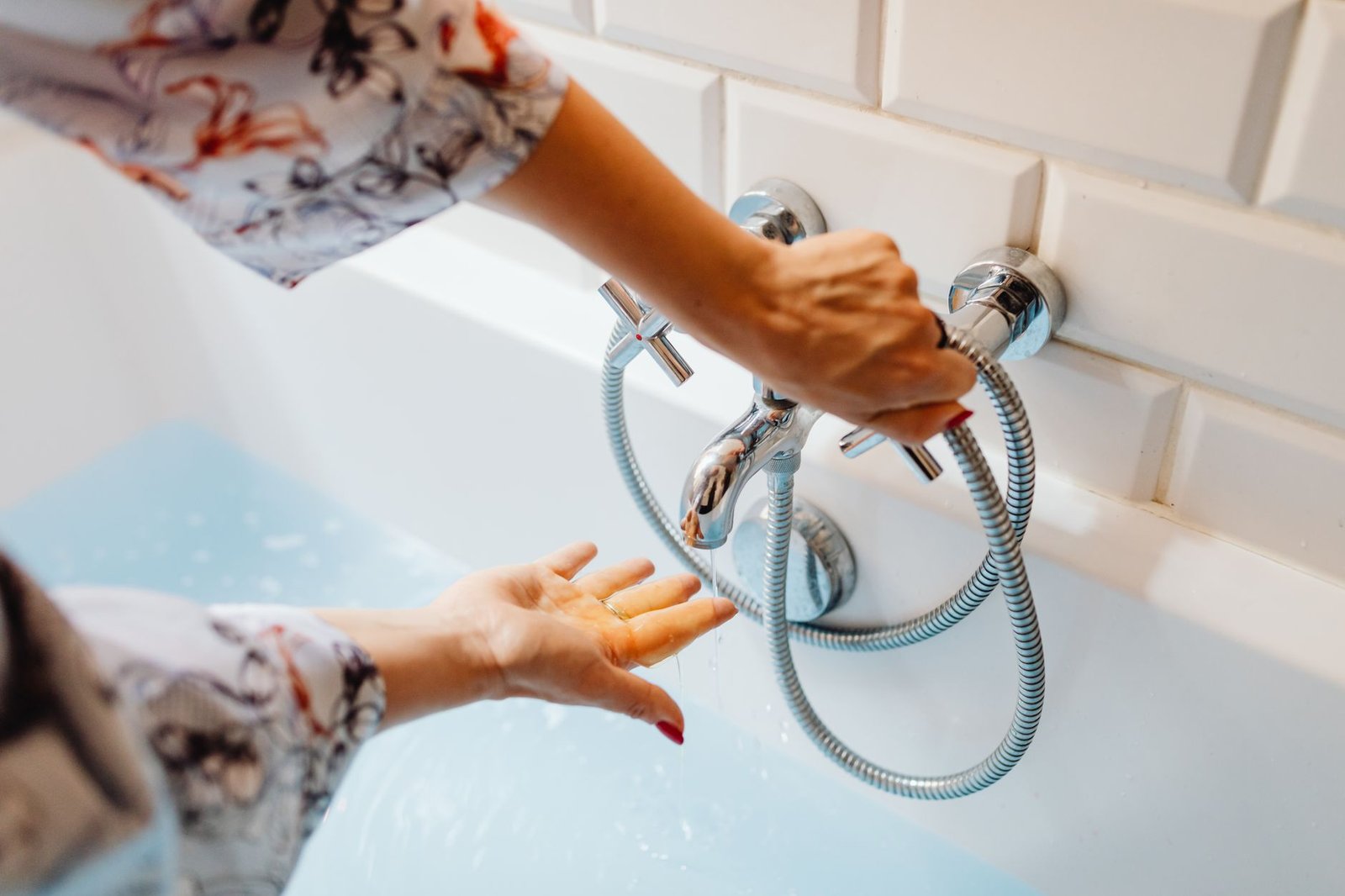
Begin your shower with a standard comfortable temperature to cleanse, then transition the dial to its coldest setting. Aim for a duration of two to three minutes while maintaining controlled nasal breathing. Hyperventilation during cold exposure activates the sympathetic panic response; instead, slow, deliberate exhales signal safety to the brain, training your autonomic nervous system to remain calm under physiological stress.
After stepping out of the shower, allow your body to warm up naturally through spontaneous shivering and movement rather than immediately bundling up in heavy layers. This self-thermogenesis process burns brown adipose tissue and prolongs the metabolic benefits of the cold exposure. Document your subjective alertness score alongside your wearable device metrics to establish a clear cause-and-effect relationship between your morning thermal habits and subsequent daytime focus.
Troubleshooting Biometric Data Discrepancies
Data integrity is the cornerstone of effective self-experimentation. When your wearable device reports an inexplicably low RMSSD or a disrupted sleep score, do not panic. Optical sensors worn on the finger or wrist are susceptible to motion artifacts, loose fits, and poor peripheral blood flow during cold nights. Always check for proper device placement before assuming your physiological recovery has crashed.
System error codes and synchronization failures within health apps can obscure true trends. If your mobile application fails to pull data from your tracking ring, perform a hard reset of your Bluetooth cache or check for pending firmware patches. Maintaining clean operating systems on your phone prevents background app crashes that result in missing overnight sleep stage logs.
Furthermore, external factors such as late-night meals, alcohol consumption, and indoor temperature fluctuations heavily distort HRV readings. When analyzing your data trends, look for rolling seven-day averages rather than reacting to single-day anomalies. A holistic review of your weekly baseline provides an accurate reflection of how your cold shower protocol is genuinely influencing your autonomic nervous system.
The Four-Week Progressive Adaptation Blueprint
Jumping straight into ice-cold immersion without preparation often leads to aversion and abandonment of the practice. A structured, progressive adaptation blueprint allows your cardiovascular and nervous systems to adapt safely over a four-week period while building psychological resilience.
During Week One, maintain your normal warm shower routine, concluding the final 30 seconds with cool tap water. Focus entirely on controlling your breath and avoiding the gasp reflex. In Week Two, extend the cold finish to 60 seconds and decrease the water temperature knob slightly toward the colder spectrum.
By Week Three, transition to a full two-minute cold exposure immediately after your warm cleansing routine. Monitor your morning RMSSD daily to ensure your body recovers efficiently from the added thermal stress. In Week Four, achieve the full protocol: a dedicated two-to-three-minute cold immersion executed within 60 minutes of waking, paired with daily algorithmic tracking of your sleep architecture and circadian phase shifts.
Ergonomics, Posture, and Recovery Integration
Physical vitality extends beyond sleep and cold water; your daily workspace posture plays a profound role in overall recovery. Spending hours slouched over a desk compresses the diaphragm and restricts optimal breathing mechanics, which in turn blunts vagal nerve activity and lowers baseline heart rate variability.
Optimizing your physical environment ensures that daytime physical strain does not spill over into your nighttime sleep quality. Implementing ergonomic adjustments prevents muscular knots that trigger low-grade nocturnal inflammation and awakenings. For those seeking affordable workspace enhancements, exploring targeted productivity and comfort upgrades can yield immediate improvements in daily comfort and physiological ease.
To support this physical alignment without breaking the bank, many professionals utilize practical workspace setups. For instance, reviewing structured guides on how to build an automated client onboarding system in Airtable without code can streamline your freelance administrative tasks, freeing up mental bandwidth for health tracking. Additionally, organizing your immediate physical desktop with genius blind corner kitchen cabinet organization hacks on a budget or applying 7 budget home office ergonomics hacks under 50 to stop daily desk fatigue ensures your environment supports sustained focus and relaxation.
Individuals with diagnosed cardiovascular disease, Raynaud’s syndrome, uncontrolled hypertension, or pregnancy must consult a qualified physician before initiating cold water immersion protocols. Sudden peripheral vasoconstriction can dangerously elevate blood pressure in susceptible populations.
Long-Term Health Benefits and Deep Sleep Expansion
Consistently pairing morning cold exposure with accurate biometric tracking yields compounding health dividends over months and years. As your autonomic nervous system adapts to thermal stress, your vagal tone strengthens, manifesting as higher resting HRV scores and lower resting heart rates. This physiological hardening translates directly into improved stress management throughout the workday.
More importantly, the stabilization of your circadian master clock leads to profound improvements in deep sleep architecture. Slow-wave sleep is the biological window during which the glymphatic system clears metabolic waste products from the brain, human growth hormone is released, and muscle tissue repairs itself. By protecting this sleep stage, you enhance cognitive longevity, immune function, and physical performance.
Ultimately, biohacking is not about chasing arbitrary perfection; it is about listening to your body’s data feedback loops and making intelligent adjustments. Your HRV tracker acts as an objective dashboard, while cold showers serve as a potent biological lever. Mastering the interplay between these two tools unlocks a sustainable pathway to superior recovery and vibrant everyday energy.
Frequently Asked Questions
Can I take cold showers at night if I work a night shift?
Night shift workers operate on an inverted circadian schedule, meaning their biological morning occurs in the evening relative to the sun. If you work nights, you should execute your cold shower protocol immediately after waking up for your shift, rather than before your daytime sleep. Introducing cold water upon waking anchors your shifted cortisol peak to the beginning of your active hours. Conversely, exposing yourself to cold water before your primary sleep period will elevate your core temperature and sympathetic tone, severely disrupting your ability to fall into deep delta sleep.
What should I do if my HRV drops consistently after starting cold showers?
A consistent downward trend in your RMSSD baseline over four to seven consecutive days indicates that the cold stimulus is acting as an unmanageable stressor rather than a hormetic benefit. This phenomenon typically occurs when individuals combine intense exercise, caloric restriction, and aggressive cold plunges simultaneously, overwhelming the nervous system’s adaptive capacity. To remedy this, reduce your cold exposure duration to 30 seconds or switch to lukewarm water for three days. Once your baseline HRV rebounds to your rolling average, reintroduce the full cold protocol gradually.
Do warm showers have any benefit for circadian rhythm optimization?
While cold showers are unmatched for morning alertness and sympathetic resetting, warm showers play an equally vital role when scheduled correctly. Taking a hot shower or bath 90 minutes before your desired bedtime causes rapid vasodilation of blood vessels in your hands and feet. As you step out of the warm water, your body rapidly dissipates core heat through these extremities, accelerating the natural temperature drop required for swift sleep onset. Therefore, use cold water in the morning to wake up and warm water in the evening to wind down.
How accurate are consumer wearable rings compared to chest straps for HRV?
Consumer optical rings utilize photoplethysmography to measure blood volume pulse at the finger, while chest straps measure electrical heart activity via electrocardiography. Chest straps remain the clinical gold standard for capturing exact R-R intervals beat-by-beat, making them superior for acute workout strain testing. However, modern optical rings perform exceptionally well for tracking overnight trends and resting RMSSD baselines. Because circadian sleep tracking relies on longitudinal patterns rather than second-by-second workout precision, high-end optical rings provide more than sufficient accuracy for daily health optimization.
Can cold showers help with winter seasonal affective disorder and sleep?
Seasonal affective disorder and disrupted winter sleep patterns are frequently linked to reduced ambient light exposure and altered circadian signaling. Morning cold water immersion acts as a powerful non-photic synchronizer that stimulates the release of beta-endorphins and norepinephrine, ameliorating depressive symptoms and restoring daytime vitality. By establishing a robust morning thermal anchor, you compensate for the lack of bright natural sunlight during winter months, stabilizing your circadian rhythm and promoting better restorative sleep at night.