

Most people blame their 2:30 PM mental crash on a heavy lunch or a lack of caffeine. You reach for another espresso or an energy drink. You try to push through the haze while staring at your monitor. But your brain is not lazy. It is actually suffocating in a dark, high-CO2 room.
- 1. The CO2 Trap: Why Workspace Air Stalls Your Brain
- 2. The Plant Density Myth: One Succulent Will Not Save You
- 3. Lux Levels and Lux Meters: Why Standard Office Bulbs Fail
- 4. The 470nm Spectrum Secret: Timing Daylight Bursts
- 5. The Micro-Transpiration Method: Controlling Desk Humidity
- 6. Fractal Geometry: How Plant Patterns Reset Visual Exhaustion
- 7. Building Your 2:00 PM Light Protocol for Under $40
- 8. Phytoremediation Realities: Choosing High-Performance Chlorophyll Units
- 9. Integrating Micro-Hacks into a Frictionless Daily Routine
- Frequently Asked Questions
Indoor air quality and artificial light levels drop your energy faster than a bad diet. Standard office light sits at a weak 150 Lux. Meanwhile, indoor carbon dioxide levels quietly climb past 1,200 parts per million. Your prefrontal cortex shuts down simply because your environment lacks basic biological triggers.
You do not need more willpower or cold showers to focus. You need to fix the physical light frequency and foliage density around your desk. Here is the real science behind biophilic micro-hacks and how to build a high-clarity workspace today.
The Popular Myth: Placing one tiny potted succulent on your desk cleans the air and keeps you energized all day.
What Field Testing Shows: A single succulent changes zero air parameters. Real fatigue reduction requires a targeted 6500K light spike and four square feet of active leaf surface area.
- Rule 1: Prioritize leaf surface area over cute small pots.
- Rule 2: Trigger a 2,500 Lux blue-light light burst at 1:30 PM.
- Rule 3: Keep relative humidity near 45 percent to lower eye fatigue.
1. The CO2 Trap: Why Workspace Air Stalls Your Brain
Your room is trapping stale air right now. In a closed home office, human breathing drives CO2 levels from outdoor baselines of 400 ppm up to 1,500 ppm in just three hours. When CO2 exceeds 1,000 ppm, cognitive function drops by 15 percent.
Brain fog is often simple carbon dioxide buildup. You feel slow, headachy, and unfocused. Measuring your air with an Aranet4 CO2 monitor proves that your energy slumps line up directly with air stagnation spikes.
Fixing your airflow is step one for deep focus. Opening a window for five minutes clears out trapped gas quickly. If you want to optimize your entire home workspace setup, read our guide on Smart Living Loopholes: Automating Home Energy Grids with Obscure Raspberry Pi Scripts to manage airflow and energy efficiency automatically.
2. The Plant Density Myth: One Succulent Will Not Save You
Miniature desk succulents are fine decorations, but they do not clean air. A tiny two-inch pot contains far too little leaf surface area to alter room chemistry. You need active biological volume to get real mental benefits.
Aim for four square feet of living leaf area. Large-leaf plants like Epipremnum aureum (Golden Pothos) and Sansevieria trifasciata (Snake Plant) move real volumes of air. They exchange gases quickly and release moisture back into dry office rooms.
Group your plants into dense foliage clusters. Placing three to four medium-sized plants directly behind your monitor creates a micro-zone of fresh air right where you breathe.
3. Lux Levels and Lux Meters: Why Standard Office Bulbs Fail
Your indoor lighting is far too dim for human biology. The human eye expects 10,000 Lux from natural outdoor sunlight during the day. Standard overhead LED bulbs only emit about 150 to 300 Lux at desk height.
Dim light signals your brain to release melatonin early. Your body thinks twilight has arrived by mid-afternoon. This triggers sleepiness, heavy eyelids, and slow visual processing.
Measure your desk brightness with a Uni-T UT383 light meter. If your desk sits below 1,000 Lux, your environment is actively telling your brain to fall asleep during work hours.
4. The 470nm Spectrum Secret: Timing Daylight Bursts
Not all light wavelengths affect your alertness equally. Specialized cells in your retina, called ipRGCs, react specifically to blue-green light around the 470-nanometer range. This spectrum tells your brain to stop producing sleep hormones instantly.
Turn on a 6500K LED panel at 1:30 PM. Running high-kelvin daylight illumination for 30 minutes signals mid-day intensity to your nervous system. It stops the post-lunch slump before it starts.
Position the light source at a 45-degree angle above eye level. This angle mirrors the sun’s natural overhead position and hits your lower retina where receptors are concentrated.
[YOUTUBE_SEARCH: circadian rhythm blue light exposure afternoon fatigue]
5. The Micro-Transpiration Method: Controlling Desk Humidity
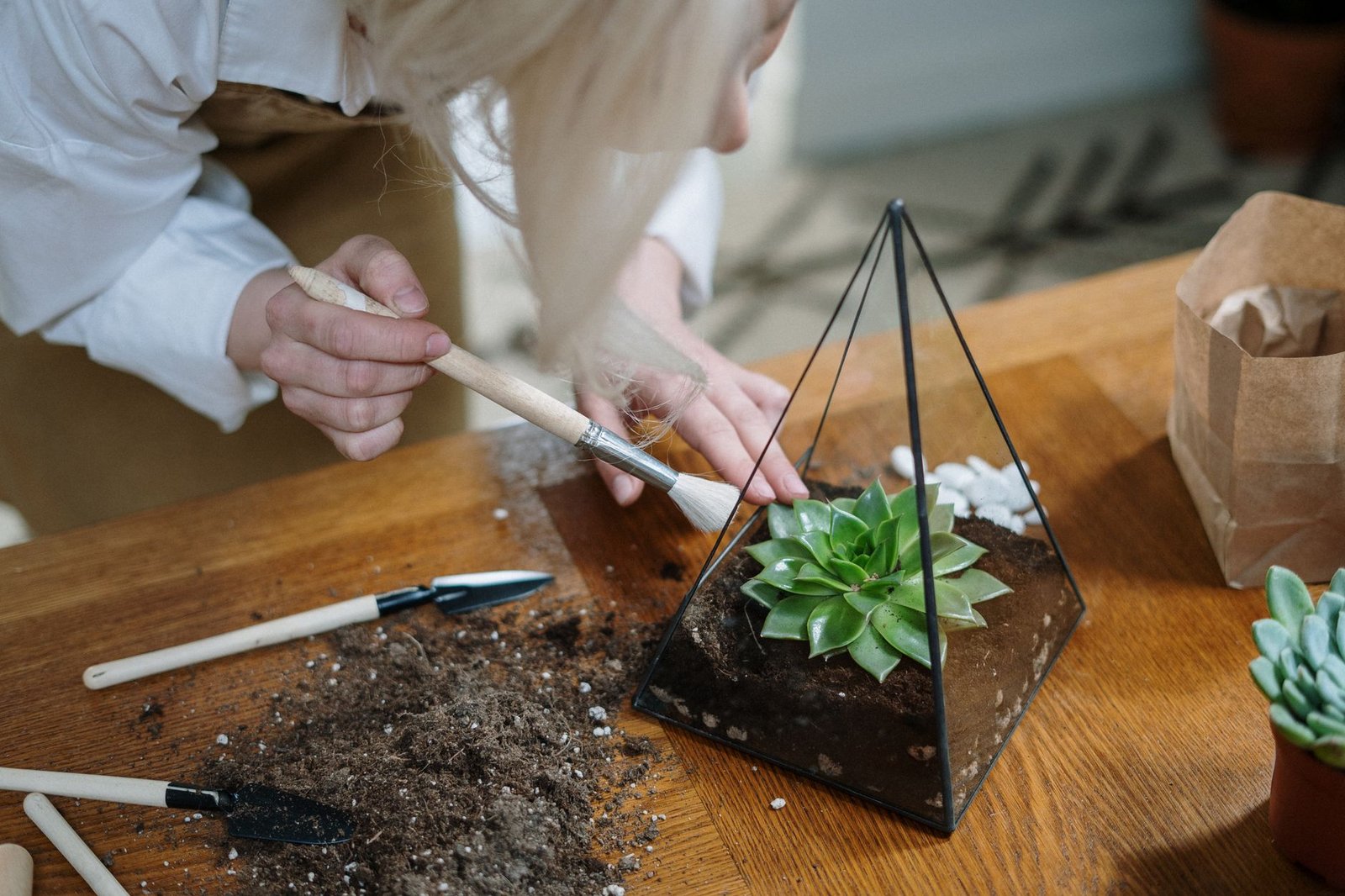
Air conditioning units dry out home offices rapidly. Relative humidity in air-conditioned or heated rooms often drops below 25 percent. Dry air irritates your nasal passages, drys out your eyes, and accelerates fatigue.
Plants function as natural evaporative humidifiers. Plants pump over 90 percent of the water you give them back into the room as pure moisture vapor through tiny leaf pores called stomata.
Use Boston Ferns (Nephrolepis exaltata) to baseline humidity. A single healthy Boston Fern can raise micro-humidity around your keyboard up to a comfortable 45 percent, keeping your eyes hydrated while reading text.
6. Fractal Geometry: How Plant Patterns Reset Visual Exhaustion
Staring at flat digital screens creates severe visual strain. Computer displays lack depth and natural complexity. Your visual cortex works hard to process plain pixel grids for hours without a break.
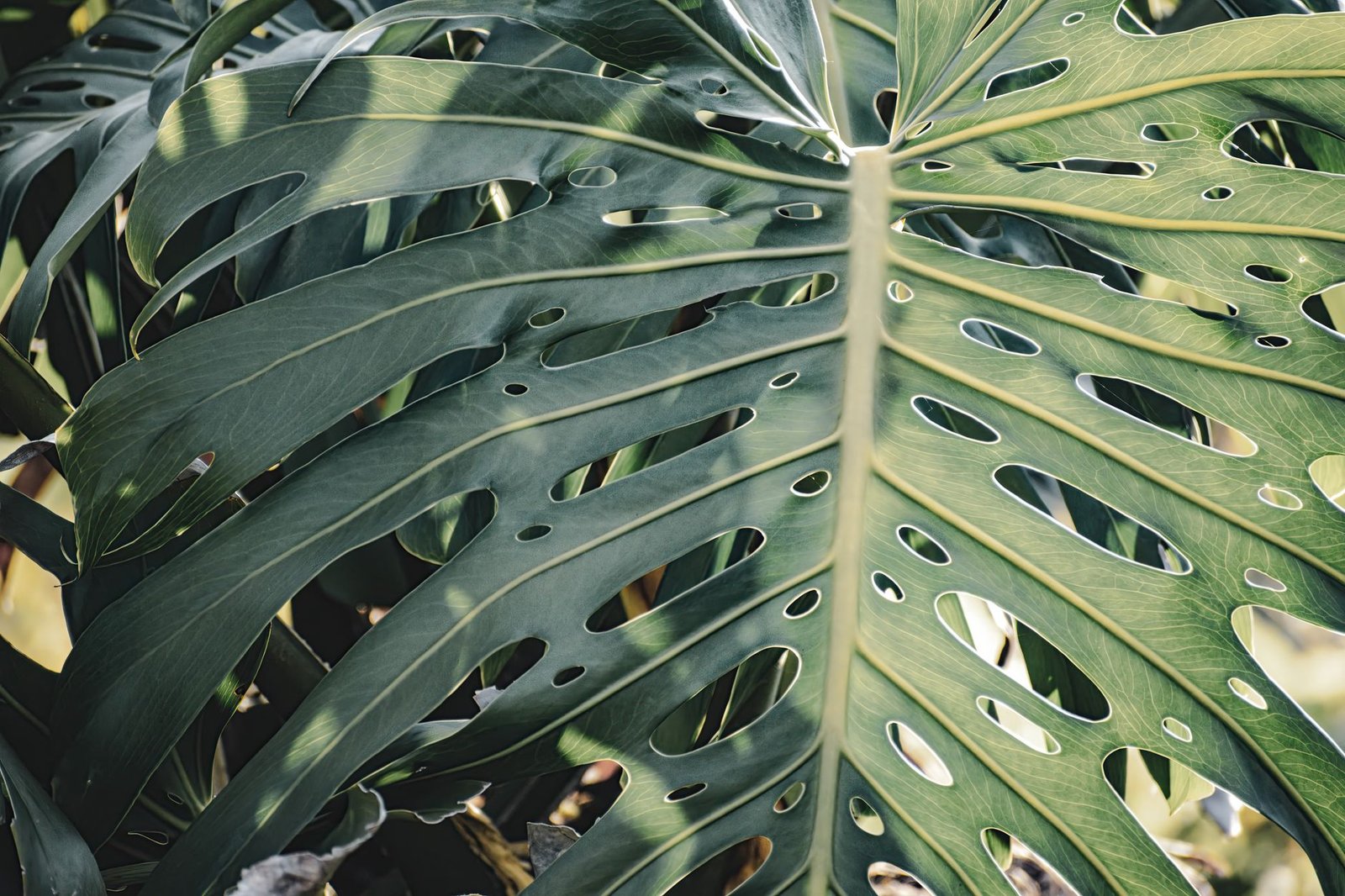
Nature uses fractal patterns with statistical dimensions between 1.3 and 1.5. The repeating patterns in fern fronds and Monstera leaves give your eyes an effortless visual focus target. Looking at natural patterns lowers physiological stress markers by up to 60 percent.
Take 20-second gaze breaks at real foliage. If you struggle with screen overstimulation, read our dive into Digital Minimalism vs. AI Productivity Tools: Why Turning Off Notifications is Actually Killing Your Deep Work to fix digital fatigue alongside visual strain.
7. Building Your 2:00 PM Light Protocol for Under $40
You do not need expensive specialized equipment to fix your desk light. A simple high-output 24-watt 6500K daylight LED bulb mounted in a standard clip-on desk lamp works perfectly.
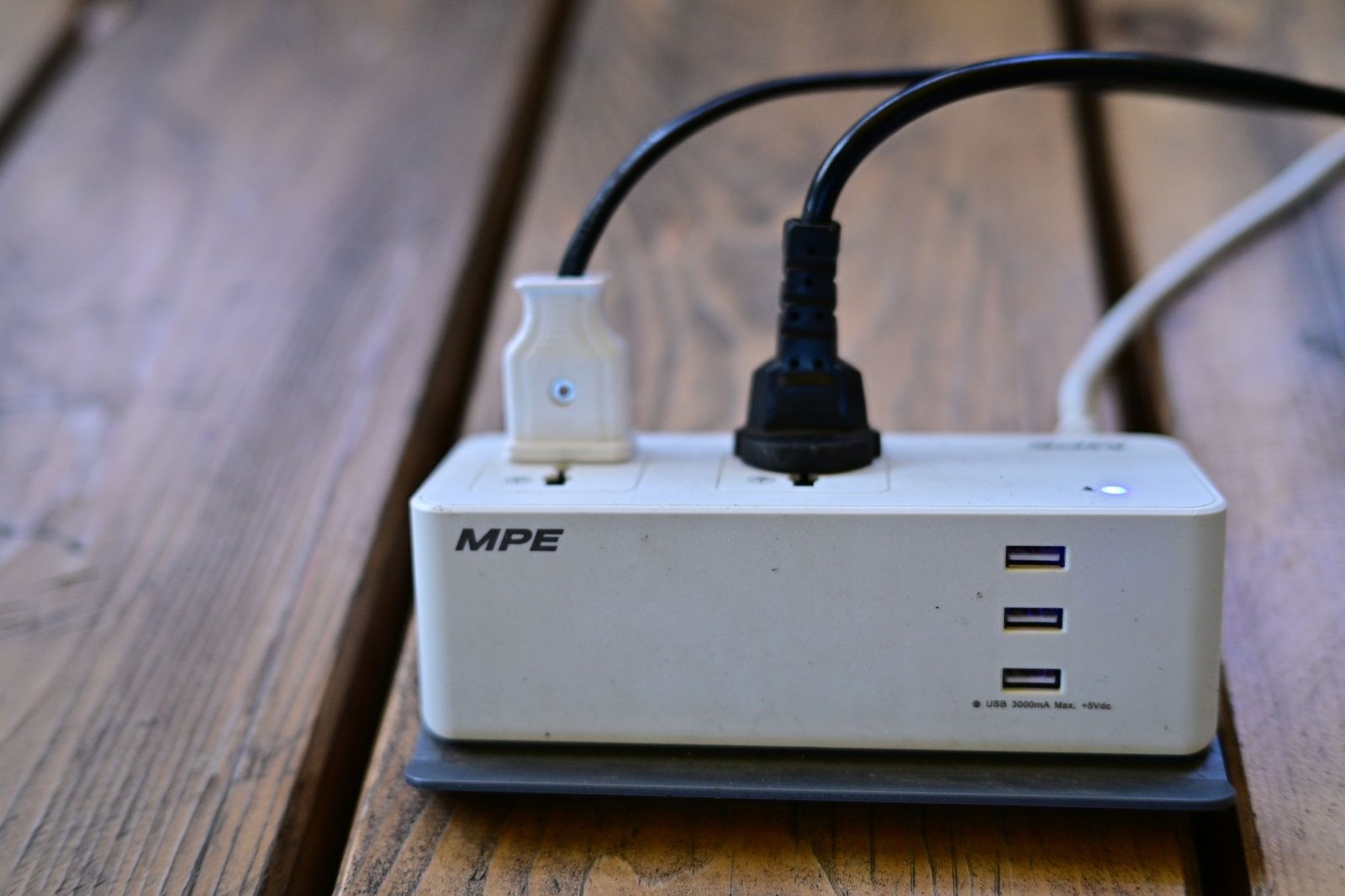
Plug your light into a basic mechanical outlet timer. Set the timer to click on automatically from 1:15 PM until 2:45 PM every weekday. This automates your circadian light booster without requiring extra thought.
Keep the light bulb within 24 inches of your face during the blast period. This guarantees your eyes receive the full 2,500 Lux threshold needed to crush afternoon sleepiness.
8. Phytoremediation Realities: Choosing High-Performance Chlorophyll Units
Some plants perform significantly better in indoor spaces than others. While all green plants produce oxygen, specific varieties excel at operating in low-light home office environments.
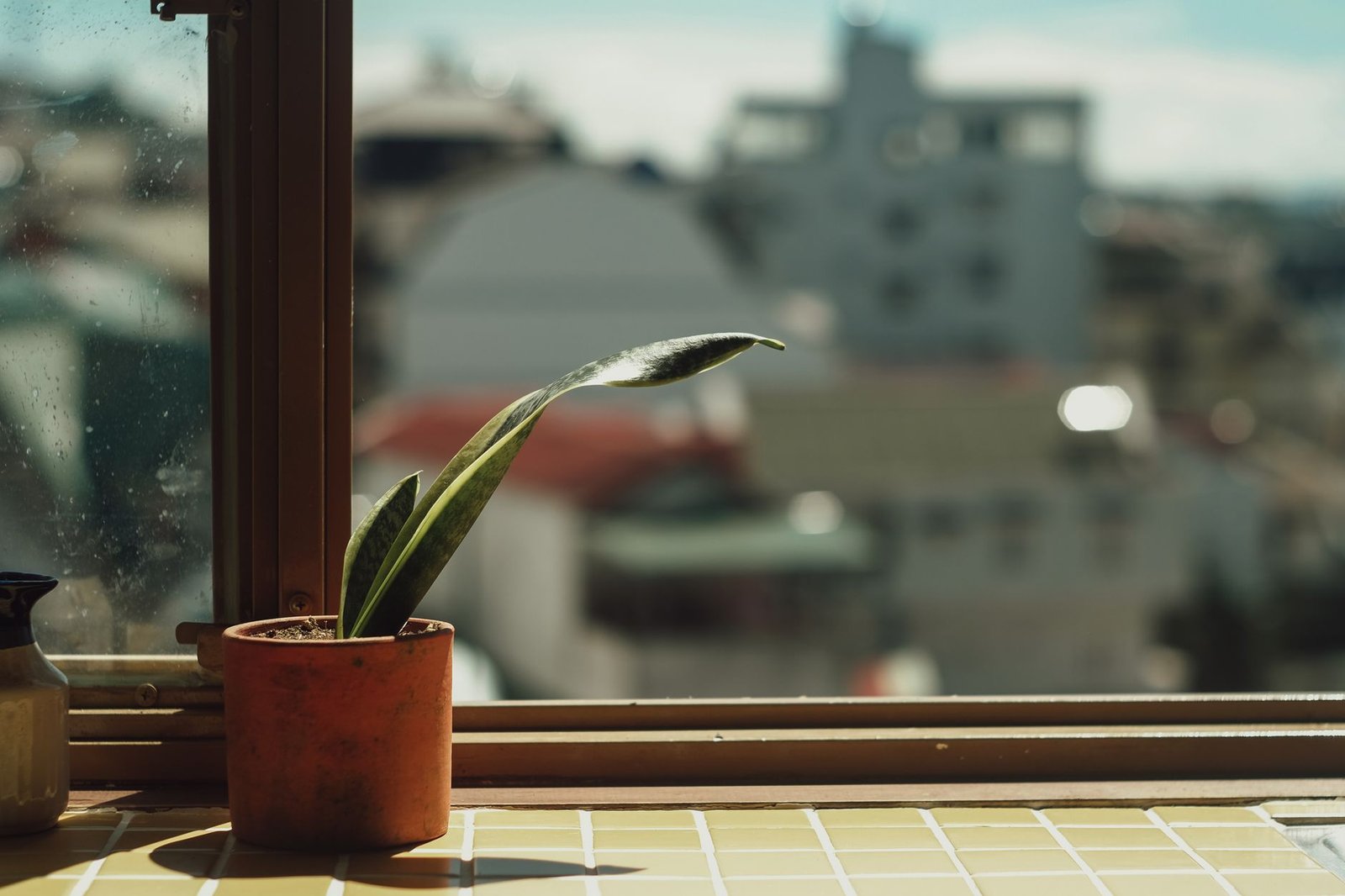
Choose Snake Plants (Sansevieria) and Peace Lilies (Spathiphyllum). Snake plants continue absorbing carbon dioxide even at night through specialized CAM photosynthesis. Peace lilies pull volatile organic compounds out of quiet office air fast.
Keep root zones healthy with well-draining soil mixes. Up to 50 percent of air filtering actually occurs in the soil microbiome. Keep soil active by letting it dry slightly between thorough watering sessions.
[YOUTUBE_SEARCH: NASA plant air purification study breakdown]
9. Integrating Micro-Hacks into a Frictionless Daily Routine
Environment hacks work best when linked with simple daily habits. Do not try to redesign your entire home on day one. Start by fixing the exact 3-foot radius around your computer screen.
Combine short light breaks with physical movement. Step away from your computer screen for two minutes when your high-intensity light timer clicks on. Water your desk plants, take three deep breaths, and let your eyes adjust.
Small strategic breaks lead to massive productivity gains. To understand how tactical pauses improve output, explore The Unexpected Power of ‘Micro-Quitting’: How Short-Term Sacrifices Unlock Long-Term Gains in Smart Living.
“Your brain is not broken at 2:00 PM. It is simply starving for bright photons, visual depth, and fresh oxygen-rich air.”
- Open your window: Flush stale CO2 out of your office right now.
- Move plants closer: Place high-leaf-area plants directly beside your monitor.
- Check your bulb specs: Swap dim warm desk bulbs for 6500K daylight LEDs.
- Take 20-second plant breaks: Rest your vision on leaf fractals every hour.
- Timer setup: Automate your afternoon daylight lamp for 1:15 PM daily.
Frequently Asked Questions
Can I just use standard plant grow lights for my light exposure protocol?
Yes. Full-spectrum 6500K LED grow lights work exceptionally well. They provide the required blue light frequencies to stop melatonin production while keeping your plants thriving right on your desk.
How many plants do I need for a small home office?
Aim for three to five medium-sized plants with large leaves for a typical 100-square-foot room. Focus on leaf surface area rather than the total count of small pots.
Will 6500K blue light ruin my sleep at night?
Not if you run it early in the afternoon. Using bright 6500K light between 1:00 PM and 2:30 PM actually reinforces your circadian rhythm. Just make sure to turn off high-kelvin lights by 5:00 PM.
Do artificial silk plants provide any cognitive benefits?
Fake plants offer a slight visual break due to green color aesthetics, but they offer zero air filtration, zero transpiration humidity, and zero biological oxygen release. Real living plants produce superior results.