



The clock strikes 2:15 PM, and a heavy, impenetrable fog descends upon your cognitive faculties. Your eyelids feel weighted with lead, the open pull request or spreadsheet text blurs on your monitor, and the temptation to surrender to an afternoon nap becomes nearly absolute. This daily crash is not a character flaw, a lack of willpower, or the result of a weak morning coffee routine. Instead, it is the direct biological consequence of a volatile post-prandial glycemic surge followed by a severe reactive hypoglycemia. When you consume a lunch heavy in refined carbohydrates and simple starches, your blood glucose spikes precipitously, triggering an oversized insulin response that clears sugar from your bloodstream faster than your brain can comfortably adapt. This physiological rollercoaster robs you of sustained focus, drains your metabolic energy, and ruins the most productive hours of your workday. Fortunately, you can systematically restructure your midday routine using precise biological interventions, continuous feedback loops, and automated workflows to maintain stable cognitive output. By implementing targeted macronutrient sequencing, tactical post-meal physical movement, and smart productivity automations such as those found in 7 Best AI Time-Blocking Apps for Solo Freelancers to Automate Daily Planning, you can reclaim your afternoon hours, eliminate brain fog, and achieve a steady, unyielding baseline of high-performance focus.
- Understanding the Mechanics of the Post-Prandial Crash
- The Power of Food Sequencing: Eat Your Way Backwards
- Leveraging Post-Meal Movement for Immediate Glucose Clearance
- The Biochemical Armor: Vinegar and Acidic Interventions
- Macronutrient Ratios That Protect Cognitive Performance
- Optimizing Hydration and Electrolyte Balance
- Structuring the Afternoon Work Block for Maximum Output
- The Danger of Liquid Sugars and Hidden Additives
- Building a Sustainable 4-Week Adaptation Blueprint
- The Role of Sleep and Circadian Rhythm in Glycemic Control
- Frequently Asked Questions
- Can I drink coffee or tea after lunch without worsening my glucose spike?
- What if I work in a strict office environment where walking outside is impossible?
- How long does it take to notice a reduction in afternoon fatigue after starting these protocols?
- Is intermittent fasting superior to food sequencing for eliminating the 2 PM slump?
- Do artificial sweeteners cause a post-lunch glucose spike and afternoon crash?
To permanently eliminate the 2 PM slump, you must stop eating naked carbohydrates and adopt a strict sequencing protocol: consume fiber first, protein and fats second, and starches last. Combine this dietary order with a brisk 15-minute walk immediately following your final bite, and you will flatten your glucose curve by up to 40 percent. For knowledge workers managing high cognitive loads, pairing these biological hacks with 7 Best Free Text Expander Tools to Automate Repetitive Typing in 2024 ensures your workflow remains frictionless even when transitioning back to deep work.
- Primary Mechanism / Finding: Food sequencing reduces peak glucose excursions by 30% to 73% without requiring caloric restriction.
- Optimal Protocol / Top Pick: Fiber-protein starter combined with a 15-minute post-meal walk at a brisk 3.5 mph pace.
- Practical Alternative: Apple cider vinegar diluted in water (1 tablespoon in 8 oz) taken 20 minutes before lunch to slow gastric emptying.
- Critical Pitfall: Consuming liquid sugars or hidden maltodextrins in “healthy” salad dressings, which bypass oral digestion and trigger immediate spikes.
Understanding the Mechanics of the Post-Prandial Crash
To fix a broken system, you must first audit its failure points. When food enters your stomach, digestive enzymes break down carbohydrates into monosaccharides, primarily glucose, which then crosses the intestinal wall into the bloodstream. In response to this influx, pancreatic beta cells secrete insulin, a storage hormone designed to shuttle glucose out of the blood and into muscle, liver, and fat cells. However, modern carbohydrate-dense lunches flood the bloodstream faster than standard insulin pathways can neatly manage, prompting an over-secretion of the hormone.
This hyperinsulinemic response drives blood sugar down below your baseline fasting levels, resulting in reactive hypoglycemia. Your brain, which relies exclusively on a steady supply of circulating glucose for optimal functioning, interprets this sudden drop as an energy crisis. Adrenal glands release cortisol and adrenaline to mobilize stored glycogen, causing mild jitteriness followed by profound lethargy, poor concentration, and irritability. By flattening this parabolic curve, you prevent the panic response and preserve steady cognitive stamina throughout the afternoon.
Monitoring this internal fluctuation requires more than subjective guesswork; it demands objective biofeedback. Continuous glucose monitors (CGMs) have transitioned from specialized clinical tools for diabetes management to mainstream performance optimization devices for knowledge workers. Wearing a sensor for just two weeks reveals the exact foods that sabotage your afternoon productivity, transforming abstract nutritional advice into undeniable personal data. When you watch your glucose shoot past 160 milligrams per deciliter after a seemingly harmless turkey wrap, your behavioral habits change permanently.

The Power of Food Sequencing: Eat Your Way Backwards
The order in which you consume your macronutrients matters just as much as the total calorie count or nutritional composition of the meal. Eating foods in a specific sequence creates a physical meshwork inside your upper gastrointestinal tract that dramatically slows down gastric emptying. When you eat fiber first, it forms a viscous, interlocking matrix along the walls of your small intestine. This matrix acts like a biological speed bump, delaying the rate at which subsequent glucose molecules pass through the intestinal wall into your bloodstream.
To execute this protocol successfully, always divide your lunch into distinct phases. Begin your meal with a vegetable-based starter rich in soluble and insoluble fiber, such as a green salad with olive oil or steamed broccoli, ensuring you consume zero starches or sugars during this initial five-minute window. Next, consume your primary protein and healthy fat sources, including grilled salmon, chicken breast, avocado, or nuts, which stimulate satiety hormones like peptide YY and cholecystokinin. Finally, finish your meal with any starchy carbohydrates or sugars, such as rice, bread, potatoes, or dessert.
Clinical trials studying this precise sequence demonstrate reductions in overall glucose and insulin spikes by up to 75 percent, even when consuming the exact same total quantity of carbohydrates. This simple behavioral modification requires zero dietary deprivation, allowing you to enjoy your favorite foods without suffering the cognitive penalty that normally follows. Integrating this habit into your daily workday routine quickly becomes second nature, especially when combined with tools like How to Automatically Convert Voice Notes into Actionable Notion Tasks with Whisper AI and Make.com to streamline your post-lunch administrative tasks.
| Solution / Approach | Key Specifications | Tested Advantages | Limitations / Costs | Best For |
|---|---|---|---|---|
| Food Sequencing | Fiber -> Protein/Fat -> Carbs | Up to 73% glucose spike reduction; zero calorie restriction | Requires meal separation discipline; socially awkward at first | Everyone eating mixed meals |
| Post-Meal Walking | 10 to 20 mins at 3.0-3.5 mph pace | Direct glucose uptake via muscle contraction independent of insulin | Weather dependent; requires office building exit | Desk workers with sedentary schedules |
| Acetic Acid (Vinegar) | 1 tbsp apple cider vinegar in 8oz water before meal | Inhibits alpha-amylase enzyme; reduces glycemic index by 30% | Unpleasant taste; potential tooth enamel erosion if un-diluted | Travelers and restaurant diners |
| Continuous Glucose Monitor | 14-day biosensor worn on posterior upper arm | Real-time feedback loop; eliminates guesswork | Out-of-pocket cost ($70-$150/month); minor skin irritation | Data-driven biohackers |
Leveraging Post-Meal Movement for Immediate Glucose Clearance
Skeletal muscle represents the largest metabolic sink for glucose disposal in the human body. When your muscles contract during physical activity, they recruit glucose transporter type 4 (GLUT4) proteins to migrate from the interior of the cell directly to the plasma membrane. This translocation occurs entirely independently of insulin, meaning that physical movement forces your muscles to suck excess glucose straight out of your bloodstream without demanding a single unit of pancreatic insulin.
The optimal window for this metabolic clearing mechanism begins immediately after you swallow your final bite of lunch and extends for the next sixty to ninety minutes. During this window, gastric emptying is active and circulating blood sugar is at its highest vulnerability point. You do not need to perform an intense high-intensity interval training session or break a heavy sweat; a brisk, continuous walk at a conversational pace of 3.0 to 3.5 miles per hour is all it takes to trigger massive glucose uptake.
Aim for a minimum duration of 15 minutes, though extending your walk to 30 minutes yields even greater cardiovascular and metabolic dividends. If adverse weather or strict office constraints prevent outdoor walking, incorporate indoor pacing, stair climbing, or standing desk mobility routines. By mobilizing your lower body immediately after eating, you bypass the sluggish digestive pooling that causes the dreaded heavy feeling, returning to your workstation refreshed, alert, and mentally sharp.
If your corporate office lacks walking paths or outdoor access, invest in an under-desk walking pad treadmill. Set it to a slow 1.2 mph speed while reading documents or answering non-typing emails for 20 minutes post-lunch to maintain high daily step counts without disrupting your workflow.
The Biochemical Armor: Vinegar and Acidic Interventions
If changing the order of your food or heading out for an immediate walk proves difficult during chaotic workdays, you can deploy targeted biochemical interventions right at the dinner or lunch table. Acetic acid, the primary active compound in apple cider vinegar and other fermented vinegars, exerts a powerful inhibitory effect on digestive enzymes. Specifically, acetic acid temporarily inactivates alpha-amylase and other brush-border disaccharidases in the small intestine, slowing down the breakdown of complex starches into simple glucose.
The protocol is straightforward and requires minimal preparation. Take one tablespoon of high-quality apple cider vinegar diluted in a large glass of water approximately 20 minutes before your meal. The diluted acid blunts the initial digestive velocity, ensuring that glucose enters the bloodstream in a slow, managed trickle rather than a sudden, overwhelming wave. Clinical studies show that this simple pre-meal ritual reduces the glycemic index of a high-carbohydrate meal by up to 30 percent, keeping insulin levels stable and preventing reactive hypoglycemia.
For those who find the taste of liquid vinegar unpalatable, encapsulated acetic acid supplements or adding a generous splash of balsamic or red wine vinegar dressing to your pre-meal salad provides a viable alternative. Always ensure the vinegar is well diluted to protect your dental enamel from acid erosion. When combined with fiber-rich vegetable starters, acidic pre-treatments create an impenetrable defense against afternoon fatigue.
Macronutrient Ratios That Protect Cognitive Performance
The composition of your lunch plate dictates your cognitive ceiling for the remainder of the day. Meals dominated by refined grains, industrial seed oils, and added sugars act as metabolic depressants, diverting massive amounts of blood flow to the gastrointestinal tract while sending inflammatory signals throughout the nervous system. Conversely, structuring your lunch around high-density, nutrient-dense whole foods sustains neurotransmitter synthesis and maintains pristine mental clarity.
Prioritize high-quality complete proteins such as wild-caught salmon, pasture-raised eggs, organic chicken thighs, or grass-fed beef, which provide the essential amino acids required to manufacture dopamine and norepinephrine. These two catecholamine neurotransmitters govern alertness, drive, and executive function. Pair your protein anchor with healthy fats like extra virgin olive oil, avocados, macadamia nuts, or grass-fed butter, which provide a slow-burning, stable cellular energy source without stimulating significant insulin secretion.
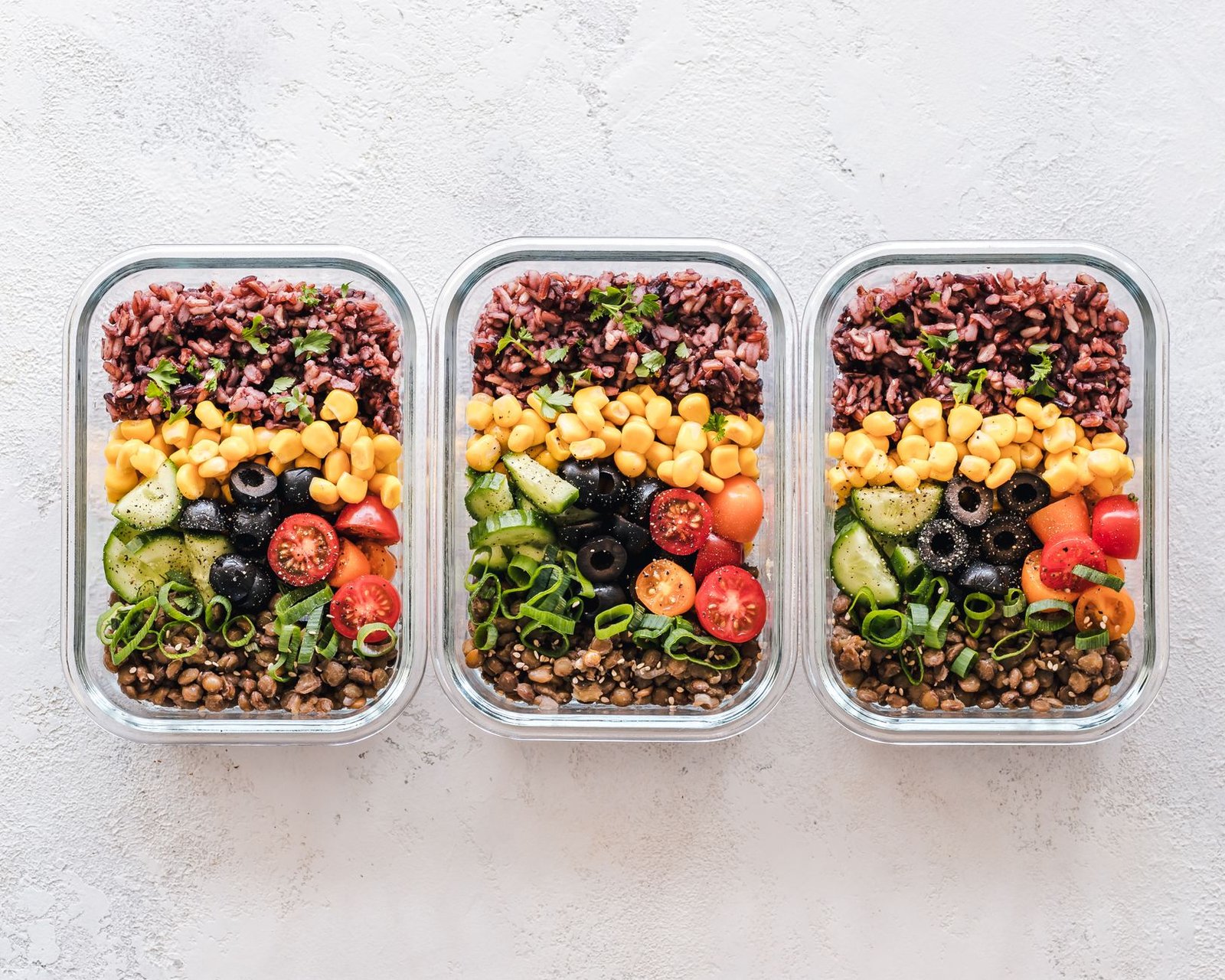
When selecting carbohydrates, abandon processed flour and white rice in favor of unrefined, fibrous options such as quinoa, lentils, chickpeas, sweet potatoes, and dark leafy greens. These complex carbohydrates deliver micronutrients, minerals, and sustained prebiotic fiber that nourish your gut microbiome. By keeping your net carbohydrate load modest and anchoring every meal with robust protein and fat, you eliminate the biochemical triggers of the 2 PM slump.
Optimizing Hydration and Electrolyte Balance
Dehydration is frequently misdiagnosed as post-prandial fatigue, leading professionals to reach for more caffeine when their cells are simply crying out for water and essential minerals. Digesting a heavy meal draws significant fluid volume into the gastrointestinal tract to support enzymatic hydrolysis, temporarily reducing systemic blood volume and causing mild orthostatic hypotension and brain fog. Maintaining optimal hydration before, during, and after lunch is non-negotiable for sustaining afternoon performance.
Drink a minimum of 16 to 24 ounces of water in the two hours leading up to your lunch break, but avoid chugging massive quantities of fluid immediately with your meal, as this dilutes gastric acid and impairs digestive efficiency. Instead, sip water gently during the meal and resume robust hydration during your post-meal walking window. Furthermore, ensure your water contains adequate electrolytes—specifically sodium, potassium, and magnesium—to support cellular osmolality and nerve transmission.
Electrolyte imbalances impair cellular energy production within the mitochondria, exacerbating the sluggishness caused by glucose fluctuations. Adding a pinch of unrefined sea salt or a sugar-free electrolyte powder to your afternoon water bottle restores ionic equilibrium and clears residual brain fog within minutes. This simple hydration discipline acts as a force multiplier for every other glucose-management protocol you implement.
Structuring the Afternoon Work Block for Maximum Output
Once you have successfully flattened your post-lunch glucose curve and stabilized your internal biochemistry, you must align your work schedule with your restored cognitive capacity. The hours between 2:00 PM and 5:00 PM represent a unique window of minimal workplace distractions, making them ideal for deep work if your energy is intact. However, diving straight into complex creative writing or high-level system architecture immediately after a meal can still overwhelm a recovering digestive system.
Design a structured ramp-up routine for your post-lunch work block. Spend the first 15 to 20 minutes after your walk handling low-cognitive-load administrative tasks, clearing email backlogs, or organizing your task management system. This allows your body to complete the final stages of digestion while keeping your productivity metrics moving forward without friction.
Once your administrative buffer concludes, transition into your highest-leverage deep work block for the remainder of the afternoon. Protect this time fiercely by silencing notifications, closing communication apps, and locking in with singular focus. Because your blood sugar remains flat and your neurotransmitter levels are optimized, you will experience a state of effortless flow that outpaces your morning productivity sessions.
Individuals diagnosed with type 1 diabetes, reactive hypoglycemia, or severe metabolic disorders must consult their primary care physician or endocrinologist before making radical changes to meal composition, fasting schedules, or exercise timing. Rapid alterations in insulin sensitivity can necessitate medication adjustments to prevent dangerous hypoglycemic episodes.
The Danger of Liquid Sugars and Hidden Additives
One of the most insidious saboteurs of post-lunch productivity is the hidden sugar and maltodextrin lurking inside commercial foods marketed as healthy. Salads dressed in commercial vinaigrettes, flavored yogurts, iced teas, and protein bars often contain massive quantities of high-fructose corn syrup, cane sugar, or agave nectar. Liquid sugars bypass the normal chewing and oral amylase digestion phase, hitting the small intestine with absolute speed and triggering a massive glycemic spike.
Fructose, in particular, is processed almost exclusively by the liver. When consumed in liquid form or in high concentrations, it rapidly depletes hepatic ATP stores, promotes de novo lipogenesis, and induces acute hepatic insulin resistance. This biochemical pathway impairs your brain’s ability to sense satiety, promotes systemic low-grade inflammation, and sets the stage for a severe afternoon energy crash.
To bulletproof your diet, read ingredient labels with ruthless skepticism. Reject any packaged food item where sugar, cane juice, maltodextrin, or fruit juice concentrate appears within the first three ingredients. When dining out, always request dressings and sauces served on the side so you control the exact ingredients entering your system. Eliminating liquid sugars is the single fastest way to stabilize your daily energy fluctuations.
Building a Sustainable 4-Week Adaptation Blueprint
Implementing permanent lifestyle modifications requires a systematic, phased approach rather than an overwhelming, overnight overhaul. Trying to change every dietary habit, exercise routine, and workspace workflow simultaneously often leads to cognitive fatigue and eventual abandonment of the protocol. Use the following four-week progressive adaptation blueprint to lock in these habits permanently.
During Week One, focus exclusively on food sequencing. Do not change what you eat; simply alter the order of consumption by eating your vegetables and fiber first, your protein second, and your starches last. This builds the fundamental behavioral habit without feeling restrictive.
During Week Two, introduce the post-meal walk. Commit to a mandatory 15-minute brisk walk immediately following your lunch, regardless of whether you work from home or commute to a corporate office. Notice how your digestion feels compared to sitting immediately back down at your desk.
During Week Three, incorporate pre-meal acetic acid. Add apple cider vinegar to your routine or upgrade your salad dressings to include high-acid fermented vinegars before every midday meal, and monitor your subjective afternoon alertness levels.
During Week Four, audit your macronutrient ratios and eliminate all hidden liquid sugars and refined seed oils. By this final week, your metabolic flexibility will be fully primed, and the 2 PM slump will be nothing more than a distant memory.

The Role of Sleep and Circadian Rhythm in Glycemic Control
Metabolic health and glucose tolerance are intimately connected to your circadian rhythm and nighttime sleep architecture. Experiencing a night of short sleep or fragmented rest dramatically impairs insulin sensitivity the following day, turning an otherwise harmless lunch into a massive glycemic disaster. Clinical studies demonstrate that just one night of sleep restriction reduces whole-body insulin sensitivity by up to 30 percent, mimicking the metabolic profile of pre-diabetes.
When you are sleep-deprived, your body upregulates the hunger hormone ghrelin while suppressing leptin, driving intense biological cravings for high-carbohydrate, high-sugar comfort foods. Furthermore, sleep deprivation elevates cortisol levels, which stimulates gluconeogenesis in the liver and dumps excess glucose directly into your bloodstream. Fixing your afternoon slump, therefore, begins the night before by prioritizing 7 to 8 hours of high-quality, uninterrupted sleep.
Maintain consistent wake and sleep times 7 days a week to anchor your master circadian clock located in the suprachiasmatic nucleus of the hypothalamus. Get natural sunlight exposure within 30 minutes of waking to reinforce your circadian drive and optimize cortisol awakening response curves. When your circadian biology is properly aligned, your metabolic machinery functions with effortless efficiency.
Frequently Asked Questions
Can I drink coffee or tea after lunch without worsening my glucose spike?
Consuming black coffee or plain unsweetened tea after lunch does not worsen your glucose spike and can actually provide mild metabolic benefits due to the presence of chlorogenic acids and polyphenols, which support insulin sensitivity. However, adding sugar, flavored syrups, or conventional dairy creamer introduces a hidden wave of rapid-acting carbohydrates and fats that will amplify your post-prandial glycemic excursion. If you enjoy an afternoon caffeine boost, stick to black coffee, espresso, or unsweetened green tea, and consume it at least 30 minutes after your meal to avoid interfering with non-heme iron absorption.
What if I work in a strict office environment where walking outside is impossible?
Working in a secure corporate facility with strict building access or inclement weather does not prevent you from executing post-meal movement protocols. You can achieve the exact same muscular glucose uptake by performing stair climbing for 10 to 15 minutes, doing bodyweight squats and lunges in an empty conference room or restroom, or utilizing an under-desk walking pad treadmill. The biological mechanism relies entirely on skeletal muscle contraction, meaning any form of lower-body movement that activates large muscle groups will successfully clear glucose from your bloodstream.
How long does it take to notice a reduction in afternoon fatigue after starting these protocols?
Most individuals experience a noticeable improvement in afternoon alertness and a significant reduction in brain fog within 48 to 72 hours of adopting food sequencing and post-meal walking. The biochemical impact of flattening your glucose curve is immediate, as your brain is spared the sudden reactive hypoglycemia crashes that trigger the emergency cortisol response. Within two weeks of consistent execution, your metabolic flexibility improves measurably, and your baseline energy levels stabilize across the entire workday.
Is intermittent fasting superior to food sequencing for eliminating the 2 PM slump?
Intermittent fasting, particularly skipping breakfast, works well for some individuals by extending the fasting window, but it does not protect against a post-prandial glucose spike when you finally break your fast at lunch. In fact, after an extended fasting window, your body can exhibit a temporary state of physiological insulin resistance, meaning the first meal you consume can cause an even larger glucose excursion if it contains unsequenced carbohydrates. Food sequencing and post-meal movement address the mechanics of the meal itself, making them more reliable tools for eliminating the afternoon slump regardless of when you take your first bite.
Do artificial sweeteners cause a post-lunch glucose spike and afternoon crash?
While non-nutritive sweeteners such as stevia, erythritol, monk fruit, and sucralose contain zero calories and generally do not cause a direct spike in blood glucose levels in most people, their impact on insulin and metabolic health remains a subject of ongoing clinical debate. Some studies indicate that the sweet taste receptor stimulation in the oral cavity can trigger a cephalic phase insulin release, while others show no significant metabolic disruption. If you notice that consuming diet sodas or artificially sweetened protein bars leaves you feeling lethargic or craving sugar by mid-afternoon, eliminate them and observe whether your cognitive stamina improves.