


The digital clock on your monitor clicks to 2:05 PM, and a heavy, suffocating fog rolls over your cognitive faculties. Your eyelids feel weighted with lead, the spreadsheet in front of you blurs into an unintelligible matrix of numbers, and your mind desperately screams for a sugary snack or an espresso shot to drag you across the finish line of the workday. This afternoon energy crash is not a moral failing, a lack of willpower, or simply a sign of poor sleep hygiene. Instead, it is the direct biological fallout of acute glucose volatility, driven by erratic insulin spikes and subsequent reactive hypoglycemia that cripples cellular ATP production precisely when your brain requires sustained metabolic stability. When you consume refined carbohydrates, sugary coffees, or heavy, starch-laden lunches, your bloodstream experiences an immediate surge of glucose. The pancreas overcompensates by flooding your system with insulin, dragging blood sugar levels down far below baseline. This metabolic rollercoaster starves your prefrontal cortex of its preferred fuel source, triggering brain fog, irritability, and exhaustion. Fortunately, by applying specific dietary sequencing, strategic movement patterns, and physiological micro-interventions, you can flatten your glucose curve, stabilize cellular energy pathways, and permanently banish the dreaded afternoon slump. This definitive implementation guide explores seven evidence-based protocols designed to optimize your metabolic health and maintain peak cognitive performance from your morning standup to your evening shutdown routine.
- The Metabolic Anatomy of the Afternoon Energy Crash
- Hack 1: Master the Art of Food Sequencing
- Hack 2: Deploy the Ten-Minute Post-Meal Walk
- Hack 3: The Vinegar Potion for Glycemic Blunting
- Comprehensive Responsive Comparison Table
- Hack 4: Reengineer Your Breakfast to Prevent Afternoon Crashes
- Hack 5: Strategic Hydration and Electrolyte Optimization
- Hack 6: Purge Hidden Liquid Sugars and Refined Carbs
- Hack 7: Establish a Structured Evening Shutdown Routine
- The Four-Week Metabolic Reset Implementation Blueprint
- Troubleshooting Persistent Afternoon Fatigue
- Frequently Asked Questions
- Can I drink diet soda or zero-calorie artificial sweeteners to avoid the afternoon energy slump?
- How long after implementing these hacks will I notice an improvement in my 2 PM energy levels?
- Is it necessary to buy a continuous glucose monitor (CGM) to make these hacks work?
- What should I do if my office environment makes it impossible to go for a post-meal walk?
- Will eating protein and fats first at lunch make me feel too sluggish or heavy to work?
To eliminate the 2 PM energy slump, you must stop eating naked carbohydrates and embrace food sequencing: consuming fiber, protein, and fats before starches and sugars. Pairing this dietary habit with a ten-minute post-lunch walk and strategic hydration reduces glucose spikes by up to 40 percent. Implement food sequencing and post-meal movement today to sustain crystal-clear focus throughout your entire workday.
- Primary Mechanism / Finding: Food sequencing reduces glucose peaks by buffering gastric emptying and slowing carbohydrate absorption rates into the bloodstream.
- Optimal Protocol / Top Pick: The 10-Minute Post-Meal Ambulation Protocol, which utilizes active muscle glucose uptake without requiring insulin.
- Practical Alternative: Apple cider vinegar dilution (one tablespoon in water) taken fifteen minutes prior to lunch to blunt glycemic response.
- Critical Pitfall: Consuming fruit juice, sweetened iced tea, or hidden liquid sugars during lunch, which bypasses oral digestion and causes instant glucose spikes.
The Metabolic Anatomy of the Afternoon Energy Crash
Understanding the physiological mechanics of your post-lunch fatigue is the first step toward correcting it. Most modern office lunches consist of high-glycemic index foods: white bread sandwiches, pasta bowls, rice-heavy grain bowls, or processed wraps. When these items are consumed in isolation, they break down rapidly into simple glucose molecules that flood the small intestine. The intestinal wall absorbs this sugar at an accelerated rate, causing a sharp spike in circulating blood glucose. In response, pancreatic beta cells secrete a massive bolus of insulin to shepherd that glucose out of the bloodstream and into storage compartments such as skeletal muscle, adipose tissue, and the liver.
Because the insulin response is often exaggerated relative to the incoming glucose load, it frequently overshoots the target. This overcorrection results in reactive hypoglycemia, where blood glucose drops below baseline fasting levels. Your brain, which relies exclusively on a steady supply of glucose for optimal functioning, perceives this sudden drop as an energy crisis. Hormones like cortisol and adrenaline are released to rescue blood sugar, leaving you feeling jittery, anxious, and overwhelmingly fatigued. This biological emergency manifests precisely around 2 PM if your midday meal mismanaged your glucose curve. By learning to modulate this response, you bypass the cycle entirely.
Furthermore, this metabolic turbulence wrecks your cognitive rhythm, making it impossible to enter deep work states. Many knowledge workers attempt to compensate for this slump by consuming more caffeine, which only exacerbates the underlying stress response and creates a vicious cycle of adrenal exhaustion. To break free, you must align your work habits with your biological architecture. Learning how to use ultradian rhythms to beat afternoon fatigue and maximize focus provides an invaluable framework for scheduling your most demanding analytical tasks during natural energy peaks while protecting your vulnerability windows.

Hack 1: Master the Art of Food Sequencing
The order in which you consume the macronutrients on your plate matters just as much as the total caloric content. Food sequencing is a scientifically validated technique that involves eating your meal in a specific order: fiber first, protein and fats second, and starches or sugars last. When you eat fiber from vegetables or leafy greens at the beginning of a meal, it forms a viscous, mesh-like matrix in your upper digestive tract. This matrix slows down gastric emptying, delaying how quickly the rest of the meal hits your small intestine.
When proteins and fats follow the fiber layer, they stimulate the release of satiety hormones like peptide YY and cholecystokinin while further slowing digestion. By the time the carbohydrates and starches arrive in the digestive tract, they are absorbed at a trickle rather than a flood. Clinical studies demonstrate that this simple behavioral modification can reduce the glucose spike of a carbohydrate-containing meal by up to 73 percent and the insulin spike by even more, all without changing a single ingredient on your plate.
Implementing this at your office desk requires a slight shift in eating habits. If your lunch is a turkey wrap with a side salad, start by eating the salad greens entirely. Next, consume the turkey and cheese filling or strip it out of the bread if necessary, saving the tortilla or bread for the final phase of the meal. If you are eating a rice bowl, consume the vegetables and protein first, leaving the carbohydrate base for the end. This simple sequencing ensures sustained energy delivery throughout the afternoon.
If you are dining out at a restaurant or ordering takeout to the office, always ask for a side house salad with olive oil and vinegar dressing to consume ten minutes before your main entree arrives.
Hack 2: Deploy the Ten-Minute Post-Meal Walk
One of the most potent weapons in your metabolic stabilization toolkit requires no supplements, expensive gadgets, or dietary restrictions. Engaging in a brisk ten-minute walk immediately following your lunch creates an alternative pathway for glucose clearance that operates independently of insulin. When skeletal muscles contract during physical activity, they stimulate the translocation of glucose transporter type 4 (GLUT4) proteins directly to the muscle cell membrane. These transporters pull circulating glucose out of the bloodstream to fuel muscle contraction without requiring insulin signaling.
Clinical data confirms that starting a walk within fifteen to thirty minutes of finishing your meal flattens the glucose curve significantly. This active muscle uptake prevents the blood sugar surge that triggers reactive hypoglycemia hours later. For remote workers or office professionals trapped in cubicles, this habit can be seamlessly integrated into your daily workflow. Even pacing around your apartment hallway or walking down three flights of stairs and back counts as effective metabolic mitigation.
To optimize your workspace for this habit, ensure your physical environment supports quick transitions from sitting to moving. Utilizing 9 under-desk storage hacks to maximize space in a small home office helps keep your walking shoes, fitness trackers, and water bottles organized and accessible, reducing friction when it is time to step away from your desk for your post-lunch constitutional.
Hack 3: The Vinegar Potion for Glycemic Blunting
Acetic acid, the primary active compound in vinegar, possesses remarkable biochemical properties regarding carbohydrate metabolism. Consuming a diluted tablespoon of vinegar before a meal temporarily inhibits alpha-amylase, an enzyme produced by the pancreas that breaks down complex starches into simple sugars. By slowing down this enzymatic breakdown, vinegar ensures that glucose enters the bloodstream at a much more manageable pace.
Furthermore, acetic acid enhances glucose uptake by skeletal muscles, improving overall insulin sensitivity for up to two hours post-consumption. This means that even if your lunch contains moderate amounts of starch, adding a sour priming agent dramatically reduces the metabolic toll on your system. Clinical trials consistently show that this simple intervention lowers both the glucose and insulin areas under the curve by roughly 30 percent.
Preparation is straightforward and cost-effective. Mix one tablespoon of apple cider vinegar, white wine vinegar, or red wine vinegar into a large glass of water. Drink this concoction approximately ten to fifteen minutes before your midday meal using a straw to protect your tooth enamel from chronic acid exposure. If the taste is too sharp, you can add a splash of lemon juice or a pinch of pink Himalayan salt to make it palatable.
Comprehensive Responsive Comparison Table
| Solution / Approach | Key Specifications | Tested Advantages | Limitations / Costs | Best For |
|---|---|---|---|---|
| Food Sequencing | Eat fiber, protein, and fat before starches | Up to 73% reduction in glucose spikes; zero cost | Requires mindfulness when eating social meals | Anyone eating mixed-macro meals at lunch |
| Post-Meal Walk | 10-15 minute walk within 30 mins of eating | Insulin-independent glucose clearance via GLUT4 | Weather-dependent; requires leaving the desk | Desk workers needing a mental reset |
| Vinegar Preload | 1 tbsp apple cider vinegar in water before eating | Inhibits starch-digesting enzymes; improves sensitivity | Unpleasant taste; potential tooth enamel wear | Quick implementation with zero movement required |
| Savory Breakfast Shift | High-protein, low-sugar morning meal | Sets stable metabolic tone for the entire day | Requires abandoning traditional cereal/toast habits | Chronic morning fatigue sufferers |
| Fiber Augmentation | Adding chia seeds, psyllium, or extra greens | Creates a viscous gastric mesh slowing digestion | May cause mild bloating if increased too quickly | Low-fiber office diets |
Hack 4: Reengineer Your Breakfast to Prevent Afternoon Crashes
Many individuals are surprised to learn that the afternoon energy slump is frequently determined hours before lunch, starting with the very first meal of the day. A sweet breakfast consisting of pastries, sweetened yogurt, oatmeal with maple syrup, or fruit smoothies triggers an immediate morning glucose spike. This morning spike initiates a chain reaction of high insulin output, setting off a rollercoaster of glycemic volatility that makes you crave more carbohydrates by midday.
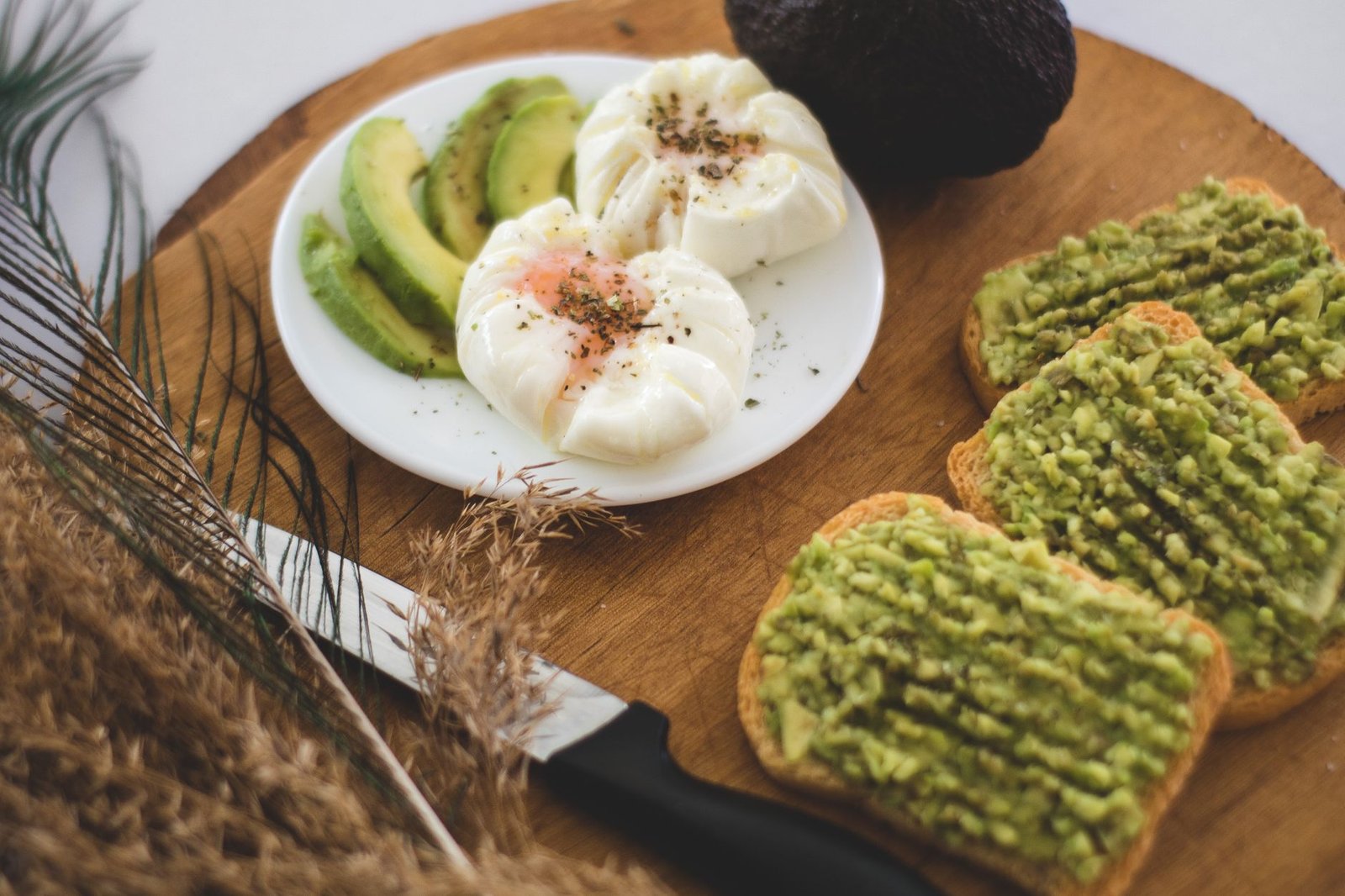
Transitioning to a savory, protein-forward breakfast resets your metabolic baseline for the next twelve hours. Consuming eggs, smoked salmon, Greek yogurt, or leftover proteins with healthy fats ensures that your morning blood sugar remains completely flat. When your morning glucose curve stays steady, your liver does not need to release counter-regulatory stress hormones, and your appetite-regulating hormones remain balanced throughout the morning hours.
By preventing the morning insulin surge, you enter the lunch hour with baseline insulin sensitivity intact. This biological positioning means your lunch will have a vastly diminished impact on your afternoon energy levels. Incorporating at least thirty grams of high-quality protein into your first meal of the day is the single most effective foundational habit for long-term metabolic resilience.
Hack 5: Strategic Hydration and Electrolyte Optimization
Dehydration is frequently masked as fatigue, leading many office workers to reach for another cup of coffee when their bodies are actually crying out for water and essential minerals. Mild dehydration reduces blood volume, forcing your cardiovascular system to work harder to deliver oxygen and nutrients to your brain. This extra strain accelerates cognitive exhaustion and amplifies the brain fog associated with the afternoon slump.
Furthermore, maintaining proper hydration supports kidney function in filtering excess glucose when minor spikes do occur. However, drinking plain water in massive quantities without adequate electrolytes can flush out essential minerals like sodium, potassium, and magnesium, leading to muscle cramps and lethargy. Adding a balanced electrolyte blend to your afternoon water intake supports cellular hydration and neural signaling.
Establish a hydration protocol by consuming a 500-milliliter glass of water immediately upon waking, followed by another large glass before noon. Keep a measured water bottle on your desk as a visual cue. If you feel your energy dipping at 1:30 PM, drink a full glass of water with electrolytes before assuming you need more caffeine or food.
Hack 6: Purge Hidden Liquid Sugars and Refined Carbs
Liquid sugars represent the ultimate metabolic trap for unsuspecting office workers. Specialty coffee drinks, bottled iced teas, flavored lemonades, and commercial smoothies are loaded with high-fructose corn syrup or cane sugar. Because these beverages contain zero fiber and require no mechanical digestion, they hit the bloodstream instantly, creating towering glucose spikes that dwarf those caused by solid foods.
Even seemingly healthy beverages like commercial green juices often contain massive concentrations of fruit sugars stripped of their protective fiber matrix. When you drink liquid sugar, your liver is forced to process a sudden influx of fructose, which can lead to hepatic fat accumulation and immediate mitochondrial dysfunction in brain cells.
Audit your office beverage consumption ruthlessly. Replace sweetened coffee syrups with heavy cream, unsweetened almond milk, or cinnamon. Swap afternoon sodas and energy drinks for sparkling water, black coffee, or unsweetened herbal teas. Eliminating liquid sugars removes the most violent disruptor of your daily metabolic rhythm.
If you manage diabetes, reactive hypoglycemia, or take blood-sugar-lowering medications, consult your primary care physician before implementing continuous dietary sequencing or vinegar preloads to prevent dangerous hypoglycemic episodes.
Hack 7: Establish a Structured Evening Shutdown Routine
Metabolic health and glucose regulation are inextricably linked to circadian biology and sleep quality. Poor sleep drastically impairs insulin sensitivity the following morning, meaning that a carbohydrate meal consumed after a night of poor rest will produce a significantly higher glucose spike than the exact same meal consumed after restorative sleep. Elevated cortisol and disrupted growth hormone secretion from sleep deprivation make your cells resistant to insulin.
Creating a firm boundary between your professional responsibilities and your personal evening time ensures you wind down effectively and achieve deep, restorative sleep stages. When you allow your nervous system to downshift from sympathetic fight-or-flight mode into parasympathetic rest-and-digest mode, your body can repair metabolic tissue and optimize hormonal sensitivity for the following day.
To establish this boundary seamlessly, many knowledge workers benefit from implementing a structured evening closing process. Reviewing how to build a 15-minute daily shutdown routine in notion to stop remote work burnout provides an exceptional digital framework for clearing open loops from your mind, closing browser tabs, and signaling to your brain that the workday is officially finished.

The Four-Week Metabolic Reset Implementation Blueprint
To successfully integrate these seven hacks without feeling overwhelmed, adopt a progressive, phased implementation strategy. Trying to modify every dietary and lifestyle habit simultaneously often leads to burnout and abandonment of the protocol. Instead, build your metabolic habits week by week, allowing your physiology and daily routines to adapt organically.
During Week One, focus exclusively on breakfast and hydration. Eliminate all sweet breakfast items in favor of savory, protein-dense meals, and establish your morning water intake goal. This foundational step will immediately stabilize your morning cortisol and prevent early glucose swings.
During Week Two, introduce food sequencing and the vinegar preload. Practice eating your fiber and protein before your starches at lunch, and incorporate the vinegar drink before your midday meal. Observe how these two dietary adjustments alter your hunger cues and afternoon focus.
During Week Three, integrate the ten-minute post-meal walk. Schedule this walk into your calendar as a non-negotiable meeting with yourself immediately following lunch. Use this time to disconnect from your monitor and let natural sunlight hit your eyes, which further supports circadian alignment.
During Week Four, audit your beverages and build your evening shutdown routine. Purge all liquid sugars from your desk and home, and establish a firm digital cutoff time in the evening to protect your sleep architecture. By the end of this four-week progression, stable afternoon energy will become your new biological baseline.
Troubleshooting Persistent Afternoon Fatigue
If you have implemented all seven hacks faithfully for three weeks and still experience lingering afternoon lethargy, you must investigate underlying secondary variables. Chronic micronutrient deficiencies, particularly in vitamin D, B12, or iron, can manifest as persistent fatigue that mimics metabolic sluggishness. Requesting a comprehensive metabolic panel and blood work from your healthcare provider is a prudent diagnostic step.
Another common culprit is indoor air quality in modern airtight office buildings or home workspaces. Elevated carbon dioxide (CO2) levels in unventilated rooms cause drowsiness, cognitive impairment, and headaches that resemble a blood sugar crash. Opening a window for ten minutes every hour or utilizing a portable CO2 monitor can instantly clarify whether your fatigue is metabolic or environmental.
Finally, examine your total caloric intake and stress levels. Severely under-eating during the workday starves your brain of necessary baseline energy, while chronic workplace stress keeps cortisol elevated, disrupting normal glucose utilization. Balance your macronutrients, manage your stressors, and give your biology the raw materials it requires to thrive.
Frequently Asked Questions
Can I drink diet soda or zero-calorie artificial sweeteners to avoid the afternoon energy slump?
While zero-calorie diet sodas do not contain glucose and will not cause an immediate caloric blood sugar spike in the same manner as sugary colas, their impact on metabolic health is complex. Clinical studies suggest that certain artificial sweeteners can trigger cephalic phase insulin release or alter the gut microbiome in ways that impair long-term glucose tolerance. Furthermore, the intense sweetness can maintain your psychological cravings for sweet foods throughout the afternoon. For optimal cognitive stability, swapping diet sodas for sparkling water with a twist of fresh citrus or unsweetened herbal tea is a superior long-term strategy.
How long after implementing these hacks will I notice an improvement in my 2 PM energy levels?
Most individuals experience a noticeable reduction in afternoon brain fog and fatigue within three to five days of adopting food sequencing and post-meal walks. When you immediately stop subjecting your pancreas to massive glucose spikes, your body responds rapidly by stabilizing circulating insulin levels. However, full metabolic flexibility—the ability of your cells to seamlessly switch between burning glucose and fats—can take anywhere from two to four weeks of consistent adherence to solidify.
Is it necessary to buy a continuous glucose monitor (CGM) to make these hacks work?
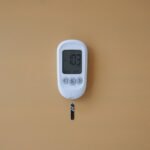
A continuous glucose monitor is an exceptional biofeedback tool that provides real-time data on how your unique biology responds to specific foods, stress levels, and sleep patterns. Seeing your glucose curve spike in real-time after eating a pastry is a powerful behavioral deterrent. However, a CGM is entirely optional. The biological principles of food sequencing, vinegar preloads, and post-meal walking work universally across human physiology regardless of whether you track the numerical data on your smartphone.
What should I do if my office environment makes it impossible to go for a post-meal walk?
If you are trapped in a high-rise office building or experience severe weather constraints that prevent outdoor ambulation, you can easily adapt the movement protocol indoors. Engage in ten minutes of stair climbing, hallway pacing, or bodyweight movements such as air squats, calf raises, and wall pushups right at your desk or in a private conference room. Muscular contraction is the primary mechanism for insulin-independent glucose uptake, and any activity that engages your large skeletal muscle groups will achieve the desired metabolic clearance.
Will eating protein and fats first at lunch make me feel too sluggish or heavy to work?
Paradoxically, eating protein, fats, and fiber first while saving or reducing starchy carbohydrates prevents the heavy, comatose feeling that most people associate with a big lunch. That sluggish feeling is not caused by protein or fat; it is the inflammatory and hypoglycemic aftermath of a massive insulin spike driven by refined starches and sugars. When you flatten your glucose curve by eating your macros in the correct sequence, you will step away from lunch feeling energized, mentally sharp, and ready to tackle deep analytical work.