

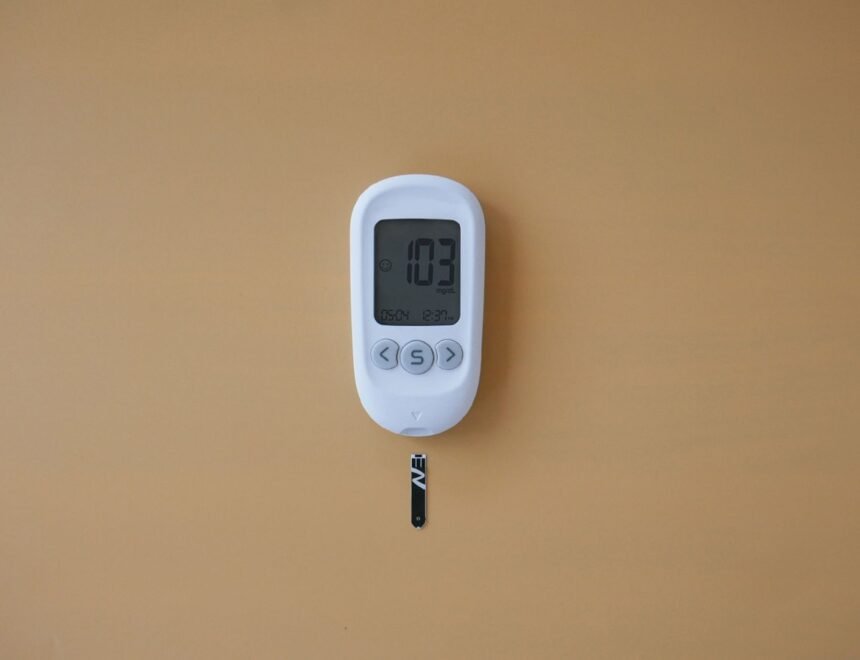
The clock strikes two in the afternoon, and your executive functioning grinds to an absolute halt. Your eyelids feel weighted with lead, the brilliant architectural strategy you mapped out during morning standup now looks like indecipherable hieroglyphs, and you find yourself mechanically refreshing your inbox for a dopamine hit. This daily cognitive collapse is frequently misattributed to general burnout or sheer fatigue, yet the root cause sits quietly in your bloodstream. Glucose volatility, characterized by aggressive spikes followed by steep, reactive crashes, sabotages your brain’s cellular energy supply and creates a phantom lethargy that destroys peak productivity hours. By deploying a continuous glucose monitor, you gain real-time telemetry into your metabolic machinery, allowing you to intercept these crashes before they paralyze your workflow and maintain razor-sharp focus from dawn until evening shutdown.
- Understanding the Biological Mechanics of Afternoon Brain Fog
- Selecting and Applying Your First Continuous Glucose Monitor
- Establishing Your Baseline Metabolic Metrics
- Optimizing Nutritional Sequencing to Prevent Afternoon Slumps
- Leveraging Post-Prandial Movement for Enhanced Glucose Disposal
- Comparative Analysis of Glucose Management Strategies
- The Hidden Impact of Sleep Quality on Daytime Glucose Control
- Stress, Cortisol, and Autonomous Glucose Spikes
- Designing a Sustainable 4-Week Glucose Optimization Blueprint
- Troubleshooting Common Biosensor Discrepancies and Data Noise
- Advanced Telemetry: Correlating Glucose Stability with Cognitive Output
- Frequently Asked Questions
- Do I need a prescription to purchase a continuous glucose monitor?
- How accurate are continuous glucose monitors compared to traditional finger-prick meters?
- Can wearing a continuous glucose monitor help with weight loss as well as brain fog?
- Will wearing a sensor cause obsessive or restrictive eating habits?
- How often should I wear a continuous glucose monitor for optimal results?
Continuous glucose monitors transform vague afternoon fatigue into measurable, actionable biological data by exposing hidden sugar spikes and reactive hypoglycemia. By keeping blood glucose excursions under 30 milligrams per deciliter post-meal, knowledge workers can permanently eradicate afternoon brain fog and sustain high-level creative output. Implementing a structured sensor protocol paired with smart nutritional sequencing yields immediate improvements in daily cognitive endurance.
- Primary Mechanism / Finding: Reactive hypoglycemia following high-glycemic lunches drops cerebral blood flow and ATP production, directly inducing afternoon brain fog.
- Optimal Protocol / Top Pick: Pair a 14-day biosensor with a savory, protein-forward midday meal and a 10-minute post-prandial walk to cap glucose spikes below 120 mg/dL.
- Practical Alternative: Use manual finger-prick testing before and 60 minutes after lunch if continuous monitoring hardware is unavailable.
- Critical Pitfall: Over-restricting carbohydrates to the point of inducing stress hormone spikes that impair focus and disrupt sleep architecture.
Understanding the Biological Mechanics of Afternoon Brain Fog
The human brain is a metabolically demanding organ that consumes roughly twenty percent of your resting energy budget despite accounting for only two percent of total body mass. Neurons rely heavily on a steady, uninterrupted supply of glucose and oxygen to synthesize neurotransmitters and maintain electrical potentials. When you consume a carbohydrate-heavy lunch devoid of adequate fiber, healthy fats, or protein, glucose floods your bloodstream at an accelerated rate. This rapid influx triggers an overproduction of insulin by the pancreas, which aggressively clears glucose from circulation, frequently overshooting baseline levels and driving you into a state of mild reactive hypoglycemia.
During this reactive trough, circulating blood sugar dips below your personal baseline, depriving neurons of their primary fuel source and setting off internal distress signals. The brain responds by releasing cortisol and adrenaline to mobilize stored glycogen, but this neurochemical shift induces jitteriness, irritability, and profound mental exhaustion. This biological roller coaster explains why you feel completely alert at eleven in the morning but utterly incapacitated by two in the afternoon. Recognizing this mechanism shifts the blame away from personal willpower deficits and points directly toward nutritional sequencing and metabolic stability.
To compound matters, modern knowledge work demands sustained executive functioning, complex problem solving, and rapid context switching, all of which require optimal mitochondrial efficiency. When glucose delivery fluctuates wildly, the brain cannot maintain the constant ATP synthesis required for deep focus. Consequently, your attention span splinters, your error rate climbs, and simple administrative tasks take twice as long to complete. Monitoring your interstitial fluid glucose levels provides the objective feedback loop needed to break this vicious cycle and reclaim your most productive afternoon hours.
Selecting and Applying Your First Continuous Glucose Monitor
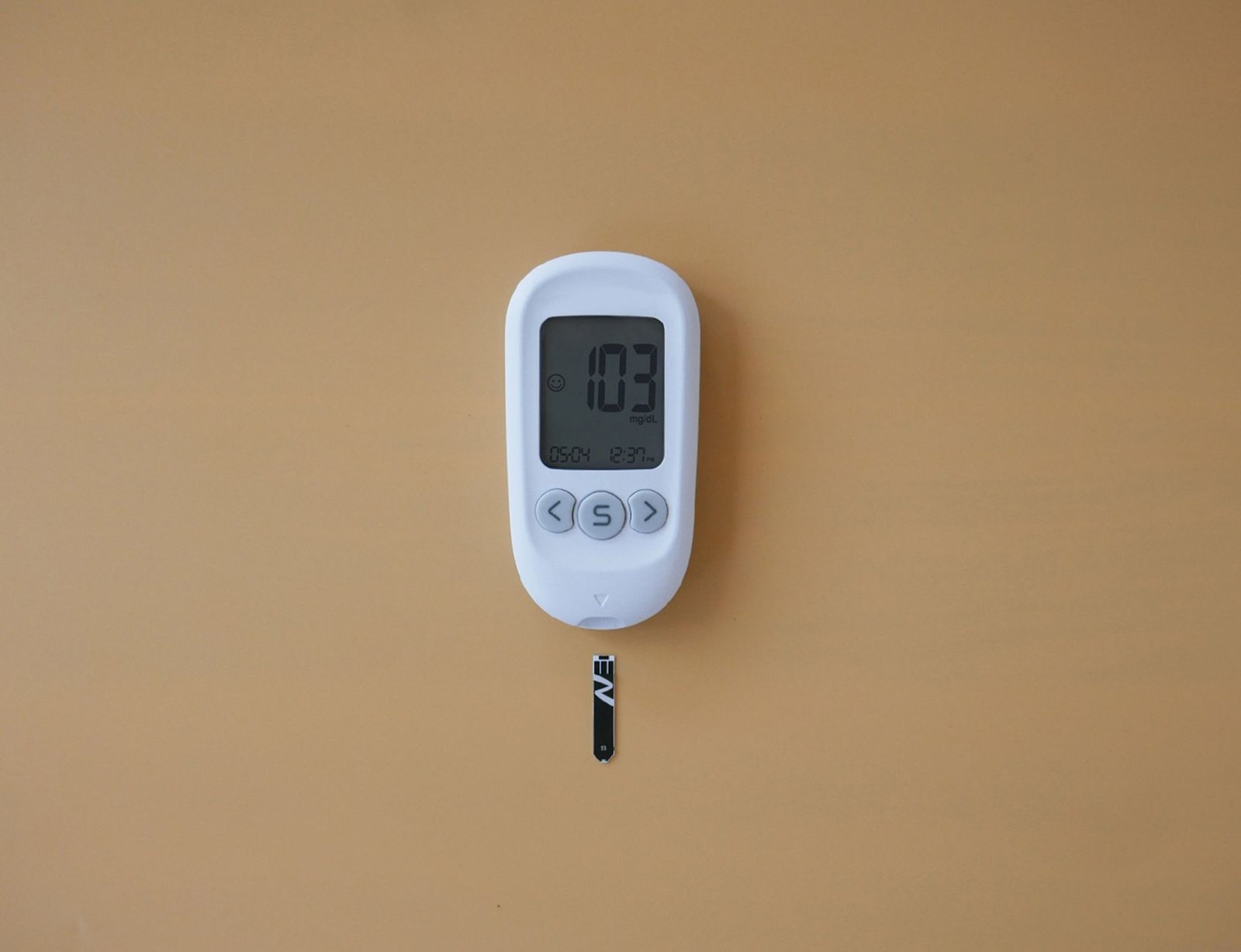
Deploying a continuous glucose monitor requires understanding both the hardware options available on the market and the proper physiological placement techniques. Devices such as the Abbott Libre series or the Dexcom ecosystem measure interstitial glucose levels via a tiny filament inserted just beneath the skin surface. While originally designed for diabetes management, these biosensors have become indispensable tools for biohackers, knowledge workers, and high-performance professionals seeking to optimize daily output. Selecting the right model depends on your budget, software integration preferences, and the specific ecosystem of health tracking applications you currently utilize.
Application technique dictates the accuracy and longevity of your sensor data over its typical fourteen-day lifespan. You must clean the back of your upper arm thoroughly with an alcohol swab and allow the skin to dry completely to ensure proper adhesive bonding. Avoid muscular areas or sites with excessive scar tissue, as interstitial fluid flow can be restricted, leading to sensor compression errors and false readings during sleep. Once applied, calibrate your expectations by understanding that interstitial glucose lags behind capillary blood glucose by roughly five to ten minutes, a delay that becomes particularly evident during rapid physical activity or sharp dietary spikes.
Software setup forms the backbone of your data analysis workflow, allowing you to tag meals, workouts, and stressful work meetings directly within the companion application. Exporting this raw CSV data into spreadsheet software or integrating it with advanced wellness platforms unlocks deeper pattern recognition capabilities. By correlating your subjective afternoon energy levels with objective glucose curves, you begin to build a personalized metabolic profile that reveals your unique physiological triggers and tolerances.
Establishing Your Baseline Metabolic Metrics
Before implementing any dietary or lifestyle interventions, you must establish a reliable baseline by wearing your sensor for a full seven to ten days without altering your normal routine. During this discovery phase, eat your standard breakfasts, lunches, and snacks while logging every meal composition and timing detail meticulously. Pay close attention to your fasting glucose levels upon waking, which should ideally rest between seventy and ninety-nine milligrams per deciliter, as well as your average daily glucose variability and standard deviation.
Analyze your historical data specifically around the critical afternoon window between one and four o’clock to identify the exact magnitude of your daily energy crashes. Note whether your post-lunch glucose excursions exceed thirty milligrams per deciliter above your pre-meal baseline, and track how long it takes for your levels to return to baseline. If your post-lunch curve features a sharp vertical spike followed by a precipitous drop below your starting point, you have identified the primary physiological culprit behind your daily brain fog. This diagnostic baseline serves as your control metric against which all future nutritional and environmental experiments will be measured.
Beyond identifying peaks and troughs, examine your nighttime glucose stability to evaluate your overall metabolic recovery capacity. Elevated or erratic nighttime glucose often signals late-night eating, high underlying stress, or poor sleep quality, all of which compound daytime fatigue and cognitive decline. Documenting these macro trends allows you to prioritize interventions that deliver the highest leverage for your specific biological constitution, preventing wasted effort on minor adjustments.
Always wear your biosensor on your non-dominant arm and use an over-patch or medical tape to prevent accidental dislodgement during sleep or while dressing, ensuring uninterrupted data collection for the full fourteen days.
Optimizing Nutritional Sequencing to Prevent Afternoon Slumps
The sequence in which you consume macronutrients during a meal exerts a profound influence on the rate at which glucose enters your bloodstream. Scientific studies demonstrate that eating fiber, healthy fats, and protein before introducing carbohydrates creates a viscous mesh in the upper intestine that slows gastric emptying and blunts the glucose spike. Reversing your meal structure by consuming your bread, rice, or dessert at the beginning of a meal guarantees a rapid glycemic surge and a subsequent afternoon crash, whereas saving those items for the end dramatically flattens the curve.
Lunch composition should prioritize high-quality proteins such as wild-caught salmon, pasture-raised eggs, or organic poultry, paired generously with fibrous non-starchy vegetables like spinach, broccoli, or asparagus. Healthy fats from avocado, extra virgin olive oil, or macadamia nuts further delay digestion and provide sustained, steady-state energy for your afternoon cognitive tasks. When carbohydrates are included, they should stem from low-glycemic sources like quinoa, lentils, or sweet potatoes in modest portions rather than refined grains or processed sugars.
Beverage selection plays a surprisingly significant role in your afternoon metabolic stability, as hidden sugars in sweetened iced teas, specialty coffees, and commercial juices trigger stealthy glucose spikes. Swap sugary beverages for black coffee, unsweetened green tea, or sparkling water infused with electrolytes and lemon juice. Green tea contains L-theanine, an amino acid that synergizes with caffeine to promote calm, focused attention without jitteriness or subsequent metabolic backlash.
Leveraging Post-Prandial Movement for Enhanced Glucose Disposal
Physical movement after eating acts as a powerful pharmacological agent for blood glucose management without requiring pharmaceutical intervention. When your leg muscles contract during walking, they recruit glucose transporter type four proteins to the cell membrane independently of insulin, pulling circulating glucose directly out of the bloodstream to refuel muscle tissue. Clinical trials show that even a brief ten-minute walk initiated fifteen minutes after finishing a meal can reduce the total glycemic area under the curve by over thirty percent.
Integrating this habit into a remote or office work schedule requires intentional planning but yields immediate cognitive dividends. Instead of immediately returning to your desk chair after lunch, step outside for a brisk ten to fifteen-minute walk around your neighborhood or office building. If outdoor movement is impractical due to weather or scheduling constraints, perform a series of bodyweight squats, desk push-ups, or calf raises in your home office to stimulate muscular glucose uptake. Pair this physical transition with optimizing your physical work environment to ensure your body remains aligned and energized.
Tracking your sensor during these movement experiments reveals immediate, real-time confirmation of your physical efforts on screen. You will watch the upward trajectory of a post-lunch glucose curve flatten and reverse course within minutes of starting your walk, providing powerful reinforcement for the habit. This active glucose disposal mechanism ensures your brain receives a stable, uninterrupted fuel supply throughout the entire afternoon work block.

Comparative Analysis of Glucose Management Strategies
| Solution / Approach | Key Specifications | Tested Advantages | Limitations / Costs | Best For |
|---|---|---|---|---|
| Continuous Glucose Monitor | 14-day wearable sensor, real-time mobile app telemetry | Continuous data visibility, instant feedback on meals | Moderate cost ($100-$150/mo), requires prescription in some regions | Data-driven professionals seeking maximum cognitive output |
| Manual Blood Glucose Meter | Finger-prick lancet test strips, spot check readings | Low upfront cost, highly accurate direct capillary blood data | Painful, inconvenient, misses overnight and rapid peak trends | Budget-conscious experimenters willing to prick fingers |
| Nutritional Sequencing Protocol | Eating fiber and protein before carbohydrates at every meal | Zero financial cost, reduces glucose spikes by up to 73% | Requires dietary discipline and mindful meal preparation | Every knowledge worker looking for foundational habits |
| Post-Prandial Walking Regimen | 10 to 15-minute walk initiated within 20 minutes of eating | Enhances insulin sensitivity, clears glucose naturally | Weather dependent, requires schedule adjustments during workdays | Sedentary desk workers experiencing afternoon fatigue |
The Hidden Impact of Sleep Quality on Daytime Glucose Control
Metabolic health does not operate in a vacuum; it is deeply intertwined with your circadian rhythm and sleep architecture. Experiencing a single night of restricted sleep—defined as sleeping fewer than six hours—reduces whole-body insulin sensitivity by up to twenty-five percent the following day. When you are sleep-deprived, your body enters a mild state of insulin resistance, meaning that even a moderate meal causes a significantly higher glucose excursion than it would following restorative rest.
Furthermore, sleep deprivation alters ghrelin and leptin hormone levels, driving intense biological cravings for hyper-palatable, high-carbohydrate foods that guarantee severe afternoon energy crashes. Protecting your evening wind-down routine is therefore an essential pillar of maintaining stable daytime blood glucose and eliminating brain fog. Establishing a strict shutdown ritual, such as the fifteen-minute evening shutdown routine for remote workers, allows your nervous system to transition smoothly from work mode into restorative deep sleep.
Monitoring your overnight glucose curve via your continuous monitor provides instant validation of your sleep hygiene practices. Stable, flat glucose lines through the night indicate proper parasympathetic nervous system recovery, whereas erratic spikes and dips often correlate with late-night meals, alcohol consumption, or elevated room temperatures. By refining your sleep environment based on this biometric feedback, you prime your metabolic system for optimal cognitive performance the next day.
Stress, Cortisol, and Autonomous Glucose Spikes
Many high-performing professionals discover a puzzling phenomenon while wearing their first continuous glucose monitor: their blood sugar spikes even when they have not eaten anything. This unexpected elevation is driven by psychological stress and the subsequent release of cortisol and adrenaline. These counter-regulatory hormones signal your liver to dump stored glycogen into the bloodstream to prepare your body for a perceived physical threat or fight-or-flight scenario, regardless of whether that stress stems from an aggressive client email or a looming project deadline.
During a high-stakes afternoon presentation or a tense back-to-back meeting schedule, your sympathetic nervous system dominates, elevating circulating glucose to fuel skeletal muscles and brain activity. However, if that glucose is not utilized through physical exertion, it remains elevated in the bloodstream, eventually triggering an insulin response that leaves you drained and foggy once the stressor subsides. Recognizing this stress-glucose connection allows you to implement targeted nervous system downregulation techniques before critical work sessions.
Combat stress-induced glucose spikes by inserting brief, two-minute breathwork intervals or physiological sighs between intensive work blocks. Slow, controlled exhalations stimulate the vagus nerve, lower heart rate, and halt the unnecessary hepatic glucose dump that sabotages afternoon focus. Combining these stress-mitigation breaks with automated voice note transcription workflows reduces cognitive friction and administrative burden during high-pressure workdays.
Continuous glucose monitors are medical devices intended primarily for managing diabetes. Non-diabetic users should consult a physician before use, especially if managing eating disorders or underlying metabolic conditions, as obsessive tracking can sometimes foster unhealthy dietary anxiety.
Designing a Sustainable 4-Week Glucose Optimization Blueprint
Transforming your daily energy levels through metabolic awareness requires a structured, progressive implementation plan rather than drastic overnight restrictions. The following four-week blueprint provides a systematic framework for integrating continuous glucose monitoring into your professional workflow without inducing burnout or obsessive fixation.
Week One focuses entirely on observation and data collection. Apply your first biosensor, eat your normal diet, and log every meal and afternoon energy slump without making any behavioral changes. This establishes your authentic baseline and highlights your personal metabolic vulnerabilities.
Week Two introduces nutritional sequencing. Begin placing fiber and protein before carbohydrates at lunch and dinner while continuing to monitor your post-prandial curves. Observe how these minor adjustments immediately compress the magnitude of your afternoon glucose peaks.
Week Three incorporates post-prandial movement. Add a mandatory ten-minute walk after lunch every single workday, observing how physical muscle contraction accelerates glucose clearance and preserves your afternoon cognitive velocity.
Week Four addresses stress and sleep integration. Align your evening wind-down habits and utilize breathwork intervals to stabilize cortisol-induced glucose spikes, cementing a sustainable lifestyle routine that permanently banishes afternoon brain fog.
Troubleshooting Common Biosensor Discrepancies and Data Noise
Interpreting continuous glucose monitor data requires a nuanced understanding of sensor limitations and physiological artifacts. One of the most frequent frustrations new users encounter is the compression low, an erroneous reading that occurs when you sleep on your arm, physically compressing the capillary bed and restricting interstitial fluid flow around the sensor filament. This triggers false alarms in the middle of the night indicating dangerous hypoglycemia, whereas a quick manual finger-prick test reveals normal blood sugar levels.
Another common data anomaly is sensor lag, where rapid changes in capillary blood glucose take several minutes to manifest in the interstitial fluid. During intense exercise or immediately after consuming rapidly digesting carbohydrates, your actual blood glucose may be surging while your sensor graph appears flat, only to spike moments later. Recognizing this inherent delay prevents knee-jerk dietary reactions and helps you interpret your trends with greater patience and scientific accuracy.
Finally, sensor calibration drift can occur toward the final days of a fourteen-year sensor lifespan, where readings consistently skew slightly higher or lower than capillary reference checks. If you suspect sensor drift, perform a comparative check with a standard blood glucose meter and use the offset feature in your application if available. Understanding these technical nuances ensures you base your productivity and lifestyle decisions on high-fidelity data rather than algorithmic noise.
Advanced Telemetry: Correlating Glucose Stability with Cognitive Output
Moving beyond basic glucose management involves correlating your real-time biometric data directly with key performance indicators in your professional life. By tracking your deep work hours, typing speed, task completion rates, and error frequencies alongside your glucose curves, you can quantify the exact financial and professional return on investment of metabolic stability. High-performing knowledge workers often find that maintaining blood glucose between seventy and one hundred and ten milligrams per deciliter with minimal standard deviation directly correlates with peak flow states and effortless creative output.
Experiment with advanced macronutrient timing, such as intentional protein-only fasting windows during high-stakes morning strategy sessions, to evaluate your brain’s performance under mild ketosis versus steady-state glucose utilization. Some professionals discover that avoiding carbohydrates entirely until the evening meal unlocks unprecedented mental clarity and eliminates the post-lunch dip completely. Use your sensor as an empirical laboratory to discover the precise nutritional parameters that maximize your unique cognitive endurance.
Frequently Asked Questions
Do I need a prescription to purchase a continuous glucose monitor?
Regulations regarding continuous glucose monitors vary significantly by jurisdiction. In many countries and states, these devices now bypass traditional prescription requirements through direct-to-consumer wellness brands that offer physician oversight as part of their onboarding bundle. If local regulations still mandate a prescription, consulting your primary care physician or utilizing specialized telemedicine platforms focused on metabolic health provides a straightforward pathway to obtaining the necessary hardware.
How accurate are continuous glucose monitors compared to traditional finger-prick meters?
Continuous glucose monitors measure interstitial fluid glucose rather than capillary blood glucose, introducing a minor physiological delay of five to ten minutes during rapid metabolic shifts. While modern sensors boast high statistical accuracy with a mean absolute relative difference of less than ten percent, they should be viewed as trend-analysis tools rather than diagnostic medical instruments. Periodic verification with a standard finger-prick blood glucose meter remains best practice if you suspect an erroneous reading or sensor compression artifact.
Can wearing a continuous glucose monitor help with weight loss as well as brain fog?
Metabolic stability and sustained weight management are deeply intertwined physiological processes. By eliminating aggressive glucose spikes, you naturally suppress excessive insulin secretion, which is the primary hormone responsible for driving fat storage and inhibiting lipolysis. While weight loss is rarely the sole objective for knowledge workers targeting afternoon brain fog, improved insulin sensitivity and reduced glycemic variability consistently facilitate effortless body composition improvements over time.
Will wearing a sensor cause obsessive or restrictive eating habits?
Biofeedback tools empower some individuals while occasionally triggering anxiety in others prone to obsessive tracking. Viewing your glucose data through a lens of biological curiosity rather than moral judgment is essential for maintaining a healthy relationship with food. If you find yourself experiencing stress or restrictive eating patterns based on sensor numbers, remove the device immediately and refocus on foundational principles like whole foods, mindful meal sequencing, and adequate sleep.
How often should I wear a continuous glucose monitor for optimal results?
Most high-performance professionals do not wear continuous glucose monitors indefinitely; instead, they utilize an intermittent protocol of wearing a fourteen-day sensor every quarter or whenever they experience shifts in lifestyle, travel schedules, or work demands. This cyclical approach builds deep self-awareness and teaches you how your body responds to various foods and environments without requiring permanent wear. Once you internalize your personal metabolic thresholds, you can maintain stable energy levels intuitively for months at a time.