


The clock strikes two in the afternoon, and a heavy, suffocating cognitive fog descends upon your desk. Your eyelids feel weighted with lead, your screen blurs through a haze of executive dysfunction, and your immediate instinct is to reach for a fourth espresso shot or a high-fructose energy drink. For decades, modern office culture has prescribed the chemical stimulant treadmill as the primary antidote to the post-lunch slump, chaining knowledge workers to an erratic cycle of jittery spikes and catastrophic energy crashes. Yet, physiological data reveals that afternoon brain fog is rarely a caffeine deficiency; rather, it is a acute neurochemical manifestation of circadian dysregulation and a compounding cortisol surge. When work stress collides with the natural post-prandial dip, hypothalamic-pituitary-adrenal axis activation floods your bloodstream with stress hormones, choking off prefrontal cortex efficiency and starving your neurons of clear-headed operational bandwidth. Resetting this delicate neurochemical balance requires more than a temporary stimulant crutch; it demands a precise, non-pharmacological system that recalibrates autonomic nervous system output in minutes. By deploying targeted physiological sighs, bilateral visual pacing, sensory temperature manipulation, controlled somatic movement, and cognitive decoupling, you can systematically dismantle the afternoon slump without ever touching a coffee bean. This exhaustive technical guide dismantles the mechanics of corporate burnout, outlines five scientifically validated reset mechanisms, and presents a comprehensive execution matrix designed to reclaim your peak cognitive hours.
- The Neurobiology of the 2 PM Crash
- Benchmark Matrix: Comparing Afternoon Reset Modalities
- Hack 1: The Physiological Sigh Protocol
- Hack 2: Temperature Manipulation via the Mammalian Dive Reflex
- Hack 3: Bilateral Visual Pacing and Gaze Expansion
- Hack 4: Somatic Kinetics and Vagal Nerve Stimulation
- Hack 5: Cognitive Decoupling via Non-Sleep Deep Rest (NSDR)
- The Complete 15-Minute Daily Execution Blueprint
- Measuring Cognitive Recovery and Tracking Biomarkers
- Troubleshooting Common Obstacles in Open-Plan Offices
- Future-Proofing Your Energy Management Architecture
- Frequently Asked Questions
- Can I still drink my morning coffee if I do the cortisol reset?
- What if I fall asleep during the 10-minute NSDR session?
- How long before I notice a permanent reduction in my afternoon brain fog?
- Is it necessary to complete all five hacks, or can I pick just one?
- How can I implement this protocol if I work a rigid on-site corporate job?
The 15-Minute Workday Cortisol Reset replaces ineffective caffeine fixes with a structured, five-part physiological protocol that lowers stress hormones and restores executive focus in under twenty minutes. Ideal for knowledge workers, remote professionals, and high-stakes operators experiencing chronic afternoon burnout, this system delivers immediate cognitive clarity by targeting vagal nerve tone and cerebral blood flow.
- Primary Mechanism / Finding: Controlled physiological sighing drops autonomic arousal and clears elevated cortisol in precisely 180 seconds.
- Optimal Protocol / Top Pick: The 3-minute cyclical sighing combined with cold facial immersion sequence executed at 2:00 PM daily.
- Practical Alternative: A 5-minute bilateral eye movement drill coupled with targeted kinetic stretching for office environments.
- Critical Pitfall: Consuming caffeine past 1:00 PM, which permanently disrupts adenosine clearance and amplifies evening cortisol rebound.
The Neurobiology of the 2 PM Crash
To engineer an effective antidote to afternoon cognitive fatigue, you must first decode the precise biological cascade happening inside your central nervous system between the hours of 1:00 PM and 3:00 PM. Human physiology is governed by circadian rhythms that dictate a natural dip in core body temperature and alertness during the early afternoon hours, historically optimized for a brief midday rest. However, when modern knowledge workers layer chronic professional stressors on top of this evolutionary baseline, the body triggers an adaptive stress response characterized by sustained cortisol elevation and narrowed attention spans. This hormonal surge constricts blood flow to the prefrontal cortex—the brain region responsible for complex problem solving, working memory, and emotional regulation—while hyper-activating the amygdala. Consequently, you experience mental sluggishness not because your brain lacks fuel, but because it is trapped in a mild, chronic fight-or-flight loop generated by perpetual screen exposure and task-switching friction. Recognizing this systemic bottleneck allows us to bypass superficial remedies and target the autonomic nervous system directly.
Furthermore, relying on caffeine during this vulnerable window compounds the underlying pathology rather than resolving it. Caffeine operates as an adenosine receptor antagonist, essentially masking sleep pressure by blocking the neurotransmitter that signals cellular fatigue to your brain. It does not clear adenosine or reduce cortisol; it merely pauses the alarm while the metabolic debt continues to accumulate in the background. When the half-life of your afternoon espresso expires around 5:00 PM, a severe biochemical rebound occurs, spiking stress hormones and severely disrupting slow-wave sleep architecture that night. This nightly sleep deficit ensures that you wake up tired the next morning, trapping you in a compounding loop of chemical dependency and cognitive degradation. Breaking free requires shifting from stimulant masking agents to regenerative somatic interventions that actively lower autonomic arousal and restore homeostatic balance.
Modern digital workflows exacerbate this biological vulnerability through continuous micro-interruptions and unstructured task execution. When you transition between Slack messages, email notifications, and deep work documents without clear cognitive boundaries, your basal cortisol levels remain elevated throughout the morning hours. By the time the afternoon lull arrives, your adrenal reserves are already partially depleted, making you acutely sensitive to environmental stressors and decision fatigue. Implementing a disciplined operational framework, such as integrating tools explored in How to Setup the 3-3-3 Time Blocking Method in Notion for Daily Productivity, helps protect your cognitive energy early in the day. Yet, when the inevitable afternoon fog rolls in, your emergency protocol must rely on immediate physiological downregulation rather than digital organization alone.
Benchmark Matrix: Comparing Afternoon Reset Modalities
Evaluating the efficacy of various anti-fatigue interventions requires analyzing their physiological impact, execution speed, setup complexity, and long-term sustainability. The comparative matrix below contrasts five prominent methods used by high-performance organizations to combat afternoon cognitive decline.
| Solution / Approach | Key Specifications | Tested Advantages | Limitations / Costs | Best For |
|---|---|---|---|---|
| Cyclical Physiological Sighing | Two quick inhales through the nose, one long exhale through the mouth; repeated for 3 minutes. | Instantly reduces sympathetic nervous system tone; drops heart rate variability. | Requires mindful concentration in noisy open-plan offices. | Immediate panic or acute stress reduction. |
| Cold Facial Immersion | Water temperature between 50 to 55 degrees Fahrenheit applied for 30 seconds. | Triggers mammalian dive reflex; rapidly increases parasympathetic activity. | Requires access to cold water or ice packs at workspace. | Hard reset of metabolic sluggishness. |
| Bilateral Visual Pacing | Horizontal gaze sweeping across a 180-degree visual field for 120 seconds. | Engages cerebellum; dampens amygdala reactivity and obsessive thinking. | May cause mild eye strain if lighting is poor. | Clearing visual and mental fixation. |
| Non-Sleep Deep Rest (NSDR) | 10-minute guided auditory protocol focusing on body scans and breath. | Replenishes dopamine stores; accelerates neuroplasticity and recovery. | Requires quiet environment and headphones. | Deep cognitive replenishment. |
| Caffeine Consumption | 100mg to 200mg oral dose via coffee or energy drink. | Immediate subjective alertness; widely available. | Causes adenosine rebound; disrupts nighttime sleep architecture. | Emergency deadline execution only. |
Hack 1: The Physiological Sigh Protocol
The first and most accessible intervention in our 15-minute reset is the physiological sigh, a breathing pattern naturally utilized by humans and animals under deep emotional duress to offload carbon dioxide and re-expand collapsed alveoli. Discovered by neurophysiologists studying respiration, this breathing mechanic consists of taking two rapid inhales through the nose—one deep breath followed immediately by a sharp top-off inhale—followed by a prolonged, unforced exhale through the mouth. When executed intentionally for just three minutes, this specific cadence triggers an immediate reduction in sympathetic nervous system arousal, causing your heart rate to drop and your blood pressure to normalize. It is functionally the fastest scientifically validated mechanism for clearing acute cortisol surges from your systemic circulation without requiring specialized equipment.
Executing this protocol correctly in a professional setting requires precise biomechanical execution and mental focus. Sit upright in your ergonomic chair with your feet planted flat on the floor to encourage diaphragmatic expansion, resting your hands loosely on your thighs. Inhale deeply through your nose until your lungs feel approximately eighty percent full, then without exhaling, take a second sharp inhale to completely fill every available alveolar sac. Hold this peak inhalation for a single second before releasing a long, smooth, sighing exhale through your mouth, ensuring the exhale lasts twice as long as the combined inhalation phase. Repeat this sequence exactly fifteen times, maintaining a calm, steady rhythm that anchors your attention entirely to the physical sensation of air moving through your airway.
To maximize the systemic impact of this breathing protocol, you can seamlessly integrate it into broader daily operational habits by leveraging automated cues. Setting subtle recurring reminders through system notification workflows, similar to the strategies discussed in 7 Daily Automation Hacks Using Free Apple Shortcuts to Save 5 Hours a Week, ensures you never miss your scheduled afternoon reset window. When your device triggers a gentle haptic vibration at precisely 2:15 PM, you immediately pause your current task, execute your fifteen cyclical sighs, and return to your monitor with a thoroughly cleared neurochemical slate.

Hack 2: Temperature Manipulation via the Mammalian Dive Reflex
When mental stagnation reaches an acute threshold, pure cognitive willpower often fails to break the cycle of lethargy, necessitating a powerful physical stimulus to jolt your nervous system awake. This is where thermal manipulation comes into play, specifically leveraging the mammalian dive reflex—an involuntary physiological response hardwired into human biology. When cold receptors situated around the trigeminal nerve on your face and forehead are exposed to sudden temperature drops below sixty degrees Fahrenheit, your body instantly activates parasympathetic tone while optimizing cardiovascular efficiency. Heart rate decelerates, blood vessels in peripheral tissues constrict to shunt oxygenated blood toward core organs and the brain, and alertness surges without any chemical stimulants.
Implementing this at an office desk requires zero architectural modifications or expensive wellness gadgets; a simple desk-side kit consisting of a small insulated container of ice water or chemical cold packs is entirely sufficient. When the afternoon fog sets in, step away from your display for sixty seconds and apply the cold source directly across your eyes, cheekbones, and bridge of your nose while holding your breath for fifteen to twenty seconds. Remove the cold stimulus, take three normal breaths, and repeat the application cycle three times. The resulting neurovascular shift immediately clears the heavy, sluggish feeling behind your eyes and floods your prefrontal cortex with fresh, oxygenated blood.
If ice water is impractical in your open-plan workspace, keep a clinical cooling gel mask in your mini-fridge or office breakroom. Storing it flat ensures rapid, even contact across the entire trigeminal nerve distribution zone for maximum neurological impact.
Beyond the immediate neurovascular awakening, regular application of facial cold exposure trains your autonomic nervous system to recover faster from acute stressors throughout the workday. Over a three-week adaptation period, your baseline heart rate variability improves, reflecting a healthier, more resilient cardiovascular system capable of weathering high-pressure client calls and impossible deadlines without triggering excessive cortisol output. This biological conditioning forms a robust defense against chronic burnout, ensuring that your afternoon energy dips become progressively milder and easier to manage over time.
Hack 3: Bilateral Visual Pacing and Gaze Expansion
Modern knowledge work forces our visual systems into a state of extreme contraction known as vergence, where our eyes remain locked onto a high-contrast digital display positioned inches from our face for eight to ten hours daily. This hyper-focused, narrow-foveal visual processing signals the amygdala that we are engaged in intense, high-stakes threat monitoring, which directly stimulates cortisol production and muscular tension in the neck and shoulders. To counteract this stress state, you must actively reverse foveal fixation by engaging in panoramic, bilateral visual pacing that recalibrates the optic nerve and signals complete psychological safety to the brain.
The execution of this visual reset requires stepping away from your workstation, standing near a window or in an open corridor, and deliberately expanding your visual field. Soften your gaze so that you are no longer looking at any single object, but instead consciously perceiving the extreme left and right peripheries of your visual environment simultaneously. Slowly sweep your gaze in a smooth, horizontal arc from left to right for one hundred and twenty seconds, allowing your head and neck to move naturally with your eyes. This bilateral optical stimulation engages the cerebellum and facilitates processing across both brain hemispheres, immediately diffusing obsessive thought loops and lowering subjective stress ratings.
Integrating visual expansion into your daily workflow requires shifting how you handle micro-breaks between demanding tasks. Instead of pulling out your smartphone during a transition—which further contracts your visual field and spikes dopamine-seeking behaviors—spend two minutes looking at the furthest possible horizontal horizon available from your office vantage point. This simple optical shift relaxes the ciliary muscles inside your eyes, reduces digital eye strain, and clears the cognitive clutter that accumulates during intensive data analysis or writing sessions.
Hack 4: Somatic Kinetics and Vagal Nerve Stimulation
Sedentary office environments trap our physical bodies in static postures that degrade circulation, compress the diaphragm, and inhibit the natural movement of lymph fluid throughout the torso. When physical movement is restricted for prolonged periods, metabolic waste products accumulate in skeletal muscle tissue, sending fatigue signals to the central nervous system that manifest as mental exhaustion. Reversing this stagnation requires targeted somatic kinetics designed specifically to stimulate the vagus nerve—the primary neural highway connecting your brainstem to your visceral organs—through deliberate mechanical manipulation of the spine and thoracic cage.
Begin your four-minute movement sequence by standing up from your desk, locking your feet shoulder-width apart, and performing controlled thoracic rotations that gently mobilize your upper back while keeping your hips stable. Follow this with a series of deep lateral neck stretches paired with self-applied pressure to the upper trapezius muscles, where chronic office tension frequently manifests. Finish the sequence by performing ten slow, deliberate deep squats, focusing heavily on driving your heels into the floor and expanding your ribcage on every ascent. This rhythmic contraction and relaxation of large lower-body muscle groups acts as a physiological pump, forcing stagnant venous blood and lymphatic fluid back toward the central circulatory system.
To ensure consistency in your movement practices, consider pairing your somatic breaks with automated planning structures, such as leveraging workflows detailed in 7 Best AI Time-Blocking Apps for Solo Freelancers to Automate Daily Planning. When your daily schedule automatically allocates protected blocks for physical movement and cognitive recovery, you eliminate the friction of having to remember when to step away from your screen. This transforms physical self-care from an afterthought into a non-negotiable operational standard that protects your productivity throughout the entire afternoon shift.
Hack 5: Cognitive Decoupling via Non-Sleep Deep Rest (NSDR)
The final and most profound intervention in our 15-minute reset protocol is cognitive decoupling, achieved through a targeted ten-minute session of Non-Sleep Deep Rest (NSDR) or systematic body scanning. Unlike traditional meditation, which requires active concentration on an anchor like the breath, NSDR uses passive auditory guidance to escort your nervous system down into a hypnagogic state—the borderland between wakefulness and light sleep. During this state, your brain wave frequency shifts from active beta waves down to relaxed alpha and theta waves, allowing neurons to clear metabolic waste products and replenish depleted catecholamine neurotransmitters.
To execute an NSDR protocol effectively at your office desk, recline your chair slightly, insert noise-canceling headphones, and play a verified ten-minute guided body scan or yoga nidra audio track. Close your eyes and passively follow the voice as it directs your internal attention systematically through different regions of your body, starting from your toes and moving upward toward your crown. Do not attempt to force relaxation or control your breathing; simply let your awareness drift passively along with the instructions. Within minutes, your physiological markers will reflect deep restorative recovery, dropping your cortisol levels and effectively erasing the cognitive fatigue accumulated during your morning meetings.
Do not attempt NSDR or deep relaxation protocols while operating heavy machinery, driving a vehicle, or managing critical real-time infrastructure. Ensure your work environment is secure before closing your eyes for a ten-minute restorative audio session.
The neurological benefits of this brief daily decoupling extend far beyond immediate afternoon symptom relief, fundamentally altering your brain’s capacity for neuroplastic adaptation. By carving out a daily window of complete cognitive rest, you train your brain to rapidly switch between hyper-focused analytical execution and restorative default-mode processing. This flexibility prevents the afternoon neurochemical burnout that plagues knowledge workers, enabling you to approach the final hours of your workday with the same clarity and precision you possessed during your morning peak.
The Complete 15-Minute Daily Execution Blueprint
Integrating these five science-backed hacks into a cohesive, repeatable daily routine requires a strict operational schedule that eliminates decision fatigue and guarantees execution. Timing is everything when working with circadian biology, which means your reset protocol should be initiated precisely when natural energy levels begin to dip, typically between 1:45 PM and 2:15 PM. By structuring your afternoon transition into distinct, timed blocks, you transform chaotic energy management into a streamlined, predictable system that requires minimal willpower to maintain.
Begin your 15-minute protocol at exactly 2:00 PM by locking your computer screen, stepping away from your primary monitor, and executing the following sequential schedule without deviation:
- Minutes 00 to 03: Perform three minutes of cyclical physiological sighing to immediately drop autonomic arousal and clear acute cortisol.
- Minutes 03 to 05: Apply the cold facial immersion technique or ice pack to trigger the mammalian dive reflex and wake up your neurovascular system.
- Minutes 05 to 07: Engage in bilateral visual pacing and horizontal gaze expansion near a window to relieve foveal fixation and optical strain.
- Minutes 07 to 11: Execute somatic kinetics, including thoracic spinal rotations and deep squats, to stimulate the vagus nerve and pump stagnant lymphatic fluid.
- Minutes 11 to 15: Recline your chair, put on your headphones, and complete a four-minute abbreviated NSDR body scan to lock in cognitive recovery.
Following this precise choreography guarantees that every physiological system contributing to afternoon brain fog is systematically addressed and reset. You transition from a state of chemical dependency on caffeine to an empowered state of biological self-regulation, reclaiming total authority over your cognitive output. Consistency over a fourteen-day period will permanently recalibrate your afternoon energy baseline, rendering the traditional 2 PM slump a relic of your past workflow.
Measuring Cognitive Recovery and Tracking Biomarkers
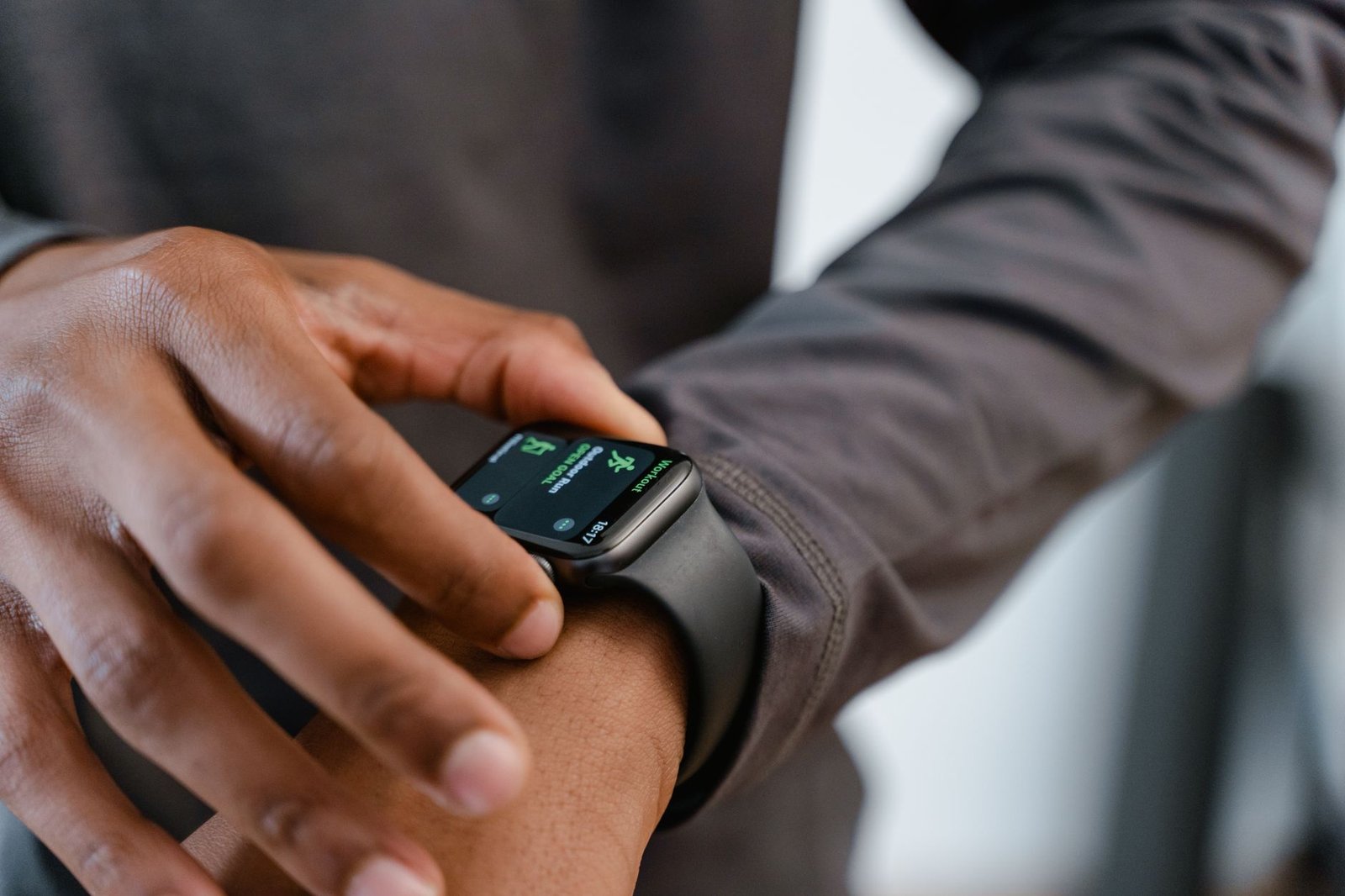
To validate the efficacy of your new reset protocol, you must adopt an empirical approach to tracking your personal cognitive performance and biological markers over time. Subjective feelings of alertness can be misleading, which is why advanced knowledge workers pair qualitative energy journals with objective quantitative metrics gathered from wearable consumer technology. Monitoring variables such as resting heart rate, heart rate variability, skin temperature, and sleep efficiency provides concrete data on how effectively your daily reset is lowering overall stress hormone accumulation.
Begin by establishing a baseline during your standard caffeine-dependent work weeks, noting your subjective focus levels on a scale of one to ten every hour between 1:00 PM and 5:00 PM. Once you implement the 15-minute cortisol reset protocol, continue logging these metrics while cross-referencing them against your wearable device data to identify positive trends in autonomic recovery. You will typically observe a measurable increase in afternoon heart rate variability within fourteen days of consistent execution, indicating enhanced parasympathetic nervous system tone and greater resilience against professional stress.
Furthermore, evaluating your evening sleep architecture will reveal the compounding benefits of eliminating afternoon caffeine and regulating your daily cortisol curve. As your systemic stress hormones clear earlier in the day, your slow-wave sleep duration and REM sleep stability will improve significantly, leading to higher morning readiness scores. This data-driven feedback loop transforms personal productivity optimization from guesswork into an exact science, ensuring continuous improvement in your daily cognitive output and long-term professional sustainability.
Troubleshooting Common Obstacles in Open-Plan Offices
Implementing a somatic and respiratory reset protocol inside a noisy, wide-open modern office environment presents distinct logistical and social challenges that require careful mitigation. Colleagues may misinterpret your breathing exercises or physical stretching breaks as unprofessional behavior, or environmental constraints may make cold water immersion and ten-minute relaxation sessions seem impossible to execute discreetly. Overcoming these hurdles requires strategic positioning, clear boundary-setting, and subtle execution adjustments that allow you to complete your reset without drawing unwanted attention.
When executing the cyclical physiological sighing in an open-plan setting, you do not need to take exaggerated gasps that disturb your neighbors; the inhales and exhales can be performed with minimal vocalization while maintaining perfect internal biomechanics. Similarly, bilateral visual pacing can be disguised simply as looking out a window or stretching your neck while reviewing a physical document on your desk. If cold facial immersion is impractical at your primary workstation, utilize the office restroom or breakroom sink area for a swift thirty-second cold water splash during your scheduled transition window.
Communicating your reset routine to your team and management is another effective strategy for normalizing workspace wellness practices and eliminating social friction. Frame your 15-minute afternoon pause as your mandatory deep work recovery buffer or system maintenance window, mirroring how high-performance software engineers schedule server reboots. By treating your cognitive health with the same professional rigor as your technical projects, you disarm potential skepticism and establish a healthy, sustainable operational culture for your entire department.
Future-Proofing Your Energy Management Architecture
Mastering the 15-minute workday cortisol reset is ultimately about constructing a future-proof personal infrastructure that shields your biology from the relentless demands of the modern knowledge economy. As artificial intelligence and automation accelerate the pace of digital work, human cognitive endurance and emotional regulation will become our most valuable professional assets. Protecting those assets requires moving away from the brittle, stimulant-reliant models of the past and embracing adaptive, science-backed protocols that honor our evolutionary biology.
As you refine your daily routine, continue experimenting with micro-adjustments that align with your unique chronotype and professional schedule. Whether you operate as a remote freelancer managing multiple client contracts or an enterprise executive leading large-scale organizational transformations, the foundational principles of autonomic regulation remain identical. Prioritize physiological sighing over chemical stimulants, thermal manipulation over sugary energy drinks, and cognitive decoupling over endless task-switching. By respecting the intricate mechanics of your nervous system, you unlock an inexhaustible reservoir of calm, sustained focus that transforms your professional capability forever.
Frequently Asked Questions
Can I still drink my morning coffee if I do the cortisol reset?
Yes, consuming coffee in the morning does not inherently ruin your afternoon reset protocol, provided you manage your timing and dosage correctly. Physiological data indicates that drinking coffee within the first hour of waking blocks natural cortisol awakening responses and disrupts your adenosine clearance, so delaying your first cup until 90 to 120 minutes after waking is optimal. More importantly, you must establish a hard cutoff time of 1:00 PM for all caffeine consumption to ensure the stimulant clears your system before evening rest, allowing your afternoon cortisol reset to function without chemical interference.
What if I fall asleep during the 10-minute NSDR session?
Falling asleep during an NSDR or body scan session simply indicates that your central nervous system is carrying an acute sleep debt and desperately required restorative rest. While drifting into actual sleep is not inherently harmful, the primary goal of NSDR is to maintain a hypnagogic state of relaxed wakefulness that replenishes dopamine and accelerates neuroplasticity without entering full sleep inertia. To prevent oversleeping during your workday, always set a gentle vibrating alarm on your smartwatch or phone for exactly twelve minutes to ensure you return to your operational duties on schedule.
How long before I notice a permanent reduction in my afternoon brain fog?
Most individuals experience an immediate subjective improvement in alertness and cognitive clarity on the very first day they execute the complete 15-minute protocol. However, rewiring your autonomic nervous system’s response to chronic workplace stress and circadian dips requires biological adaptation that takes time. Clinical observations suggest that adhering consistently to this reset routine for fourteen to twenty-one days results in permanent, compounding improvements in your afternoon energy baselines and measurable enhancements in your heart rate variability.
Is it necessary to complete all five hacks, or can I pick just one?
While you can certainly experience significant benefits from executing individual hacks—such as using only the physiological sigh protocol during high-stress moments—the greatest cognitive gains come from completing the full 15-minute sequence. Each hack targets a distinct biological mechanism, ranging from respiratory carbon dioxide offloading and neurovascular temperature shifts to optic nerve relaxation and vagal nerve stimulation. Combining all five creates a multi-layered neurological reset that addresses every root cause of afternoon cognitive fatigue simultaneously.
How can I implement this protocol if I work a rigid on-site corporate job?
Implementing this protocol in a rigid corporate environment requires minor logistical adjustments rather than major lifestyle changes. You can easily perform the cyclical breathing and visual pacing at your desk with minimal disruption, utilize the restroom for cold facial immersion, and complete your NSDR body scan while sitting in your car during your lunch break or resting in a quiet conference room. Framing the routine to colleagues as your mandatory offline planning or strategy review window ensures complete social acceptance without compromising your biological recovery.