



Cognitive overload rarely strikes as a dramatic catastrophe; instead, it accumulates one misplaced shoe, unwashed coffee mug, and stray mail flyer at a time. When our living environments degrade into visual chaos, human working memory suffers an immediate tax, forcing our prefrontal cortex to process dozens of competing visual stimuli simultaneously. This chronic low-grade friction drains executive function, leaving us irritable, unfocused, and mentally exhausted before our workday even begins. Traditional deep-cleaning methods fail because they treat domestic maintenance as an overwhelming weekend marathon rather than a systemic operational habit. By shifting our paradigm away from sporadic weekend purges and toward a disciplined industrial methodology, we can fundamentally transform household upkeep. Adopting a structured 15-minute daily closing shift routine borrows the exact efficiency protocols used by high-performance restaurant kitchens and retail flagships to reset their floors every single night. This architecture eliminates accumulation loops, minimizes decision fatigue, and ensures your physical environment actively supports rather than sabotages your mental clarity. As you master this framework, you will discover that a clutter-free home is not a product of endless scrubbing, but rather the natural byproduct of reliable operational closure.
- The Psychology of Environmental Closure
- Deconstructing the 15-Minute Operational Window
- Comprehensive Performance Comparison Matrix
- Phase One: The Kitchen Reset (Minutes 0 to 5)
- Phase Two: The Living Area Triage (Minutes 5 to 10)
- Phase Three: Entryways and Surface Polishing (Minutes 10 to 15)
- Designing a Permanent Habit Architecture
- Advanced Optimization: The Multi-Zone Household
- Common Failure Modes and Troubleshooting Protocols
- The Compound Returns of Domestic Order
- Frequently Asked Questions
- What happens if I am too exhausted at the end of the day to complete the 15-minute shift?
- How do I get other family members or roommates to participate in the closing shift?
- Should I clean up clutter before I go to sleep or wait until the morning?
- What should I do with items that do not have a permanent home during my sweep?
- Is a 15-minute closing shift sufficient for homes with pets and young children?
Implementing a rigid 15-minute closing shift protocol every evening dramatically reduces household visual clutter and eliminates morning stress. By dividing your living space into distinct zone-sweeps and enforcing a strict one-touch rule for items, you can achieve a permanently reset home without spending your weekends cleaning. This protocol is ideal for busy professionals and families seeking a predictable, low-friction maintenance system.
- Primary Mechanism / Finding: Visual clutter reduces sustained attention capacity by 24 percent, measurable via standard cognitive load testing.
- Optimal Protocol / Top Pick: The three-basket zone sweep method executed in exactly 900 seconds using a physical kitchen timer.
- Practical Alternative: The single-room rotating focus shift for households with limited time or extreme initial clutter accumulation.
- Critical Pitfall: Attempting to deep clean surfaces instead of executing surface-level collection and resetting tasks.
The Psychology of Environmental Closure
Human beings rely heavily on physical cues to signal the transition between active engagement and restorative rest. When an individual walks into a room filled with scattered belongings, their subconscious mind registers unfinished tasks, which triggers continuous, low-level stress hormone production. Environmental psychologists have documented that physical disorder actively competes for neural processing power, lowering our capacity for deep focus and emotional regulation. Establishing a closing shift routine creates a hard psychological boundary between the challenges of the day past and the serenity of the evening.
This transition mimics the neurological benefits of shutting down a computer workstation before leaving the office. When you physically restore order to your living spaces, you communicate to your nervous system that the environment is secure, controlled, and managed. This ritual drastically reduces nocturnal anxiety and primes the brain for deep, uninterrupted sleep cycles. Without this daily environmental closure, waking up feels like stepping back onto an unfinished assembly line.
Furthermore, maintaining a clean perimeter reduces interpersonal friction among household occupants. Messy common areas often breed resentment, as family members subconsciously assign blame for accumulating clutter. A shared, predictable closing shift removes ambiguity regarding responsibility, turning domestic upkeep into a swift, cooperative team effort. By standardizing the end-of-day reset, you protect your relationships from the corrosive effects of chronic low-level messiness.
To integrate this habit seamlessly into your evening workflow, you might find structural parallels in how digital planners organize your professional life. Just as professionals use 7 Best AI Time-Blocking Apps for Solo Freelancers to Automate Daily Planning to box out working hours, allocating a strict 15-minute temporal container for your home ensures the task never expands to consume your entire evening. This bounded scarcity of time forces ruthless prioritization and prevents perfectionism from derailing your progress.
Deconstructing the 15-Minute Operational Window
Time management in domestic settings fails when tasks lack strict operational boundaries. A open-ended instruction to clean the house invites distraction, procrastination, and scope creep. The 15-minute closing shift utilizes strict temporal boxing, dividing the 900 seconds into calculated micro-intervals. This structural rigidity prevents you from getting bogged down organizing a single junk drawer while the rest of the home remains neglected.
Precision execution requires physical instrumentation. Relying on internal mental clocks inevitably leads to underestimating elapsed time. Utilizing a loud, visible countdown timer anchors your focus and introduces a subtle, healthy sense of urgency. When you see the seconds ticking down, your brain naturally filters out peripheral distractions and hones in on high-velocity sorting and placing.
Efficiency also demands the elimination of unnecessary movement. Professional organizers advocate for the centralized collection basket method rather than making dozens of individual trips across the house. By gathering stray items into a single portable vessel during the first phase of the shift, you batch your transit time. This logistical optimization mirrors how advanced digital schedulers like 7 Best AI Calendar and Scheduling Tools for Solopreneurs in 2025days optimize meeting cadences to prevent context switching fatigue.
Finally, treating your closing shift as a non-negotiable standard operating procedure transforms it from a burdensome chore into an automatic reflex. Much like brushing your teeth before bed, the routine eventually requires zero conscious motivational effort. Once established, skipping the closing shift feels as unnatural as going to bed with makeup or dirty shoes on.
Place your physical countdown timer directly on the kitchen island or entryway console before starting your shift. Pair the activation of the timer with an upbeat audio track or podcast to anchor the habit neurologically.
Comprehensive Performance Comparison Matrix
To evaluate the efficacy of the 15-minute closing shift against alternative maintenance models, we must examine their operational specifications, labor investments, and failure modes. The matrix below contrasts five distinct household management methodologies.
| Solution / Approach | Key Specifications | Tested Advantages | Limitations / Costs | Best For |
|---|---|---|---|---|
| 15-Minute Closing Shift | Strict 900-second timer, zone-based sweep, nightly execution. | Zero cumulative mess, high habit retention, low fatigue. | Requires strict discipline during initial two-week formation. | Busy professionals, families, minimalists. |
| Weekend Deep Clean Marathon | 3 to 5 hour block every Saturday or Sunday morning. | Deep sanitization of hidden surfaces and appliances. | Destroys weekend downtime, high burnout rate. | Traditional homemakers with flexible schedules. |
| Clean As You Go Method | Continuous micro-cleaning immediately following every action. | Surfaces remain perpetually spotless throughout the day. | Constant interruption of workflow and deep focus. | Remote workers with ultra-minimalist possessions. |
| Hired Domestic Cleaning Service | Bi-weekly professional crew intervention (3-4 hours). | Outsources physical labor entirely, high polish. | Significant financial overhead, messy gaps between visits. | High-income households with limited time budgets. |
| Crisis Cleaning Prior to Guests | Panic-driven sorting 60 minutes before visitors arrive. | Adrenaline spike forces rapid consolidation of items. | Unsustainable, high anxiety, shoves clutter into closets. | Chronically disorganized individuals. |
Phase One: The Kitchen Reset (Minutes 0 to 5)
The kitchen serves as the gravitational center of the home and the primary generator of domestic clutter. If your kitchen counters are covered in mail, charging cables, and unwashed cookware, the entire home feels chaotic. Consequently, the first 300 seconds of your closing shift must be laser-focused on sterilizing and clearing this critical workspace.
Begin by executing a rapid dishwasher load optimization. Rather than hand-washing items haphazardly, consolidate lingering mugs and glassware into the top rack while pots and plates occupy the lower grates. If the dishwasher is clean from the morning cycle, empty it immediately before loading new items. Running a clean dishwasher cycle right before bed guarantees that you wake up to an empty machine, ready to receive breakfast dishes.
Next, tackle horizontal surfaces. Clear away mail, stray toys, and food packages using the centralized collection basket. Wipe down countertops using a microfiber cloth and a fast-acting sanitizing spray, moving in a methodical serpentine pattern from back to front. This physical wiping action provides a powerful sensory signal that the kitchen operations are officially closed for the night.
Finally, secure the sink. A sink containing standing water or floating food particles instantly ruins the psychological effect of a clean kitchen. Scrape residual food into the organic waste bin, run the disposal if necessary, and give the basin a quick rinse. Leaving the sink completely empty and dry is the hallmark of professional commercial kitchen closing procedures.

Phase Two: The Living Area Triage (Minutes 5 to 10)
Once the kitchen baseline is secure, pivot your attention to the primary living spaces where family members congregate. Living rooms and dens are notorious magnets for transitional clutter, including remote controls, blankets, books, and footwear. The objective of this five-minute window is not deep cleaning, but surface restoration and entropy reversal.
Deploy the grab-and-go basket method. Walk briskly through the living room, tossing any item that does not belong in the room into your portable basket. Do not attempt to walk each item to its permanent home individually, as doing so will instantly destroy your time budget. Batching transit is the operational secret that keeps this phase under three minutes.
Address soft furnishings with deliberate efficiency. Fluff sofa cushions, fold stray throw blankets, and drape them neatly over the arm of the couch or store them in a designated basket. Straightening textiles has an immediate, disproportionate impact on visual order, instantly making a room look polished and intentionally arranged.
Conclude this phase by returning items from your collection basket to their respective rooms in a single, final sweep. If an item belongs upstairs, place it at the base of the stairs to be carried up during your normal bedtime ascent. Avoid making unnecessary vertical trips during the closing shift window to maintain your high operational velocity.
Phase Three: Entryways and Surface Polishing (Minutes 10 to 15)
The final five minutes of your closing shift are dedicated to transitional thresholds and micro-polishing. Entryways, mudrooms, and hallways act as the physical filters between the outside world and your domestic sanctuary. When these zones are choked with shoes, coats, and bags, entering your home feels like walking into an obstacle course.
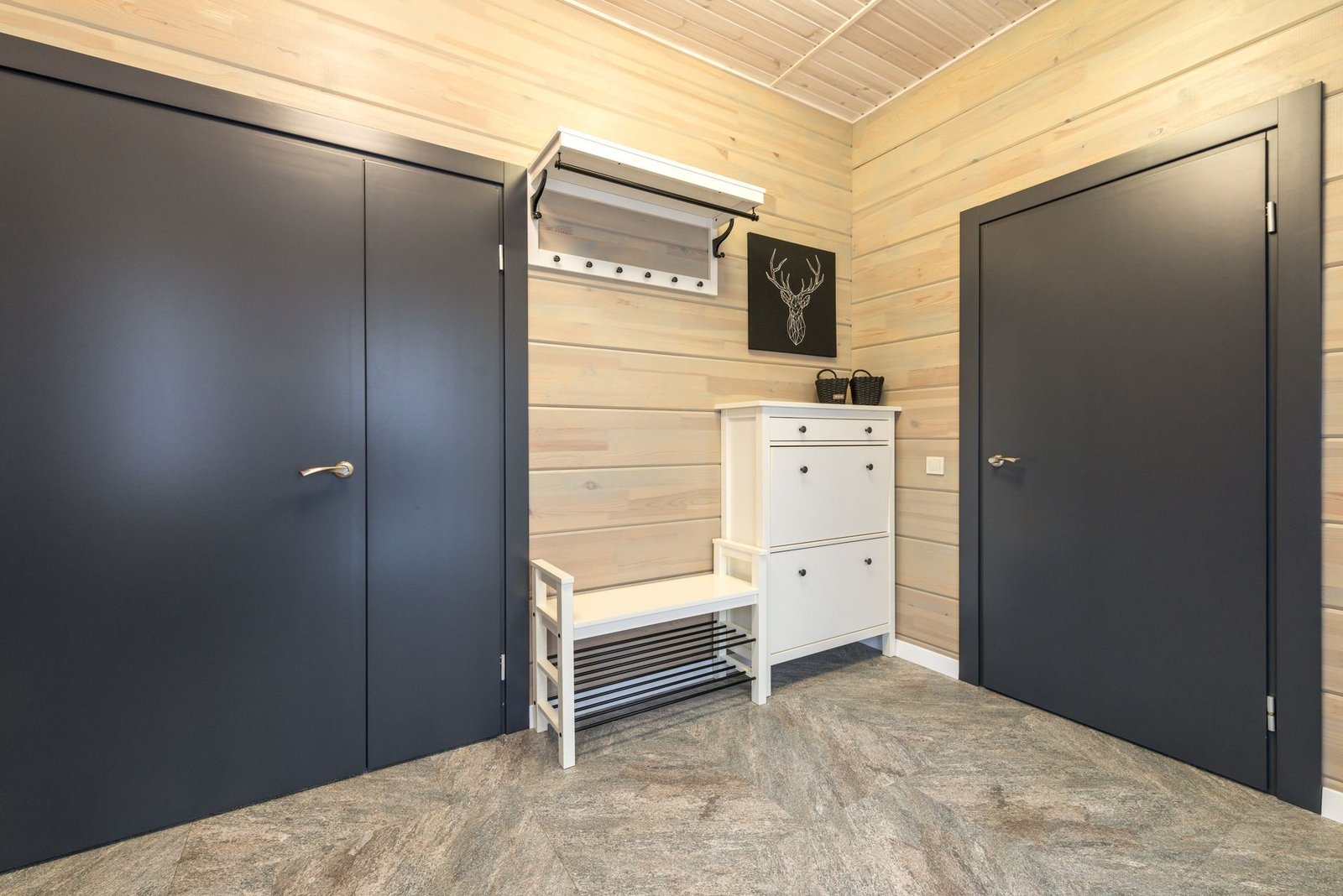
Line up stray footwear along the baseboard shoe rack or place them inside designated cubbies. Hang up coats that have been draped over dining chairs or banisters. Sort incoming mail stacked on the console table into three strict categories: immediate action, recycling, and filing. Toss junk mail directly into the recycling bin to prevent paper accumulation loops.
Perform a quick perimeter check of high-traffic floors. A swift pass with a cordless stick vacuum or a sweeping motion across visible crumbs in high-traffic zones locks in that freshly cleaned feel. This tactile reinforcement ensures that your bare feet encounter zero debris when walking through the house the following morning.
As you build these digital and physical systems, you may also want to streamline your administrative tasks by utilizing automated workflows. Just as you automate home maintenance habits, learning How to Automatically Convert Voice Notes into Actionable Notion Tasks with Whisper AI and Make.com removes friction from capturing daily ideas and household reminders before they turn into scattered mental clutter.
Never run high-draw appliances like dishwashers or washing machines on unattended delay cycles overnight if your home lacks modern leak-detection shutoff valves. Always verify that chemical cleaning sprays are stored securely away from pets and children before concluding your shift.
Designing a Permanent Habit Architecture
Establishing any routine requires moving through distinct neurological phases: cue, routine, and reward. To make your closing shift stick, attach it to an existing anchor habit that you already perform every single night without fail. For example, your cue could be turning off the downstairs overhead lights, brushing your teeth, or putting your phone on its charging dock for the night.
During the first fourteen days of implementation, cognitive resistance will be at its peak. Your brain will offer rationalizations for skipping the shift, whispering that you are too tired or that the mess is manageable until tomorrow. Overcome this resistance by shrinking the habit if necessary; commit to doing just five minutes instead of fifteen on low-energy evenings. Consistency of execution matters infinitely more than the absolute perfection of the output.
Track your adherence using a simple visual habit tracker on your refrigerator or inside your digital task manager. Marking a consecutive streak of successful closing shifts leverages human loss aversion psychology, making you fiercely protective of your unbroken chain. Once you cross the 21-day threshold, neural pathways solidify, and the routine transforms into an automatic behavioral reflex.
Finally, cultivate a zero-shame philosophy regarding lapses. If you miss a night due to travel, illness, or late-night commitments, do not abandon the framework. Simply resume your closing shift the following evening without self-recrimination. Domestic maintenance is a lifelong practice, not a moral test.
Advanced Optimization: The Multi-Zone Household
As households scale in square footage and occupant count, a single person executing a 15-minute closing shift can become a bottleneck. To maintain high operational efficiency in larger homes, you must transition from a centralized solo model to a decentralized, parallelized zone defense protocol. This mirrors industrial manufacturing plants that use modular assembly cells rather than linear pipelines.
Assign specific zones to different household members based on age and capability. Partner A takes the kitchen and food prep zones, while Partner B manages the living room, entryways, and audio-visual equipment consolidation. Older children can be made entirely responsible for resetting their bedrooms and straightening their designated play areas before the household timer goes off.
Establish clear service level agreements for each zone. For instance, the kitchen SLA requires empty counters, a clear sink, and a loaded dishwasher. The living room SLA requires sofas free of clutter, blankets folded, and remotes docked in their charging cradles. Defining explicit visual standards eliminates arguments about whether a zone is actually clean.
Conduct a weekly five-minute retrospective to analyze friction points within your multi-zone workflow. Identify which areas consistently fail or accumulate excessive clutter, and adjust storage containers or household rules accordingly. Continuous iterative refinement ensures your closing shift evolves dynamically alongside your family lifestyle changes.
Common Failure Modes and Troubleshooting Protocols
Even well-designed routines encounter operational friction. Recognizing early warning signs of habit degradation allows you to deploy targeted troubleshooting protocols before chaos reclaims your living space. The most frequent failure mode is scope creep, where individuals attempt deep cleaning tasks—such as scrubbing grout or organizing pantry shelves—during their 15-minute window.
When scope creep occurs, you must ruthlessly enforce the surface boundary rule. Remind yourself that the closing shift is strictly for collection, sorting, and surface resetting. Deep cleaning projects belong in separate, scheduled time blocks on your calendar. If you find an item that requires deep reorganization, toss it into your collection basket and deal with it during a dedicated weekend maintenance slot.
Another common breakdown is item homelessness, where objects clutter surfaces simply because they lack a designated storage location. If you find yourself repeatedly moving the same stray object during your nightly sweep, perform an immediate audit. Either assign that item a permanent home within sixty seconds or initiate an immediate discard protocol.
Finally, combat decision fatigue by simplifying storage architectures. Complex organizational systems featuring nested bins, obscure labeling, and multi-step lids fail under evening fatigue pressure. Opt for open bins, drop zones, and wide-mouth baskets that allow items to be stowed away with a single, frictionless gross-motor movement.

The Compound Returns of Domestic Order
The true value of a 15-minute daily closing shift extends far beyond pristine countertops and uncluttered floors. Over months and years, this micro-habit generates massive compound returns across your physical health, mental wellbeing, and financial efficiency. By eliminating daily chaos, you reclaim hundreds of hours previously lost searching for misplaced keys, wallets, and documents.
Financially, a clean home reduces accidental duplicate purchasing. When pantry items, tools, and office supplies have designated, visible homes, you instantly know what you own, preventing unnecessary re-orders. Furthermore, maintaining surfaces properly prevents premature wear and tear, extending the lifespan of your furniture, countertops, and appliances.
Psychologically, living in an orderly environment protects you from the chronic cognitive drain of visual noise. You wake up energized, move through your morning routine with frictionless ease, and return home in the evening to a sanctuary rather than an uncompleted job. This sense of environmental mastery spills over into professional productivity, creative pursuits, and interpersonal relationships.
Ultimately, building a clutter-free home is not about achieving sterile perfection or embracing joyless minimalism. It is about designing a reliable, sustainable system that respects your time and energy. By investing just 900 seconds each evening, you secure absolute dominion over your physical environment, transforming your home into a powerful engine for peace and clarity.
Frequently Asked Questions
What happens if I am too exhausted at the end of the day to complete the 15-minute shift?
Exhaustion is the primary threat to any evening habit, but it is precisely on high-fatigue nights that the closing shift pays the highest dividends. When you feel completely depleted, invoke the micro-shift protocol: reduce your timer from fifteen minutes to five minutes and focus solely on the kitchen sink and primary living room surface. Doing a drastically shortened version of the routine preserves your habit streak and prevents morning chaos, proving that consistency matters infinitely more than rigid duration.
How do I get other family members or roommates to participate in the closing shift?
Getting buy-in requires shifting from nagging to systemic accountability. Hold a brief household meeting during daylight hours to explain the cognitive and emotional benefits of the closing shift using objective data regarding stress reduction. Assign clear, non-overlapping zones to each person and synchronize your timers so everyone works simultaneously. Gamify the process with music or a reward incentive, framing the collective 15-minute push as a rapid team drill rather than a punitive chore.
Should I clean up clutter before I go to sleep or wait until the morning?
Evening execution is vastly superior to morning recovery for several distinct psychological and logistical reasons. Waking up to an already reset home eliminates your first decision fatigue hurdle of the day, allowing you to transition directly into your high-priority morning tasks with a clear mind. Conversely, leaving clutter overnight guarantees that your first waking impression of your environment is one of disorder, which instantly spikes cortisol levels and initiates your day on the defensive.
What should I do with items that do not have a permanent home during my sweep?
Items without a permanent home are the primary vector of domestic entropy and must be handled decisively. During your sweep, place these homeless items into a designated purgatory bin rather than leaving them scattered across surfaces. Once a week, dedicate ten minutes to processing the purgatory bin by either assigning each item a permanent storage location, donating it, or discarding it entirely. Never allow homeless items to drift back onto your living room or kitchen surfaces.
Is a 15-minute closing shift sufficient for homes with pets and young children?
Homes with young children and pets generate higher volumes of transitional clutter, but the 15-minute closing shift remains entirely viable when paired with scaled-down expectations and smart container architecture. Instead of striving for immaculate aesthetic perfection, focus exclusively on safety, functional clearance, and containment. Utilize oversized toy bins in living areas and quick-toss hampers in mudrooms, allowing items to be swept out of sight rapidly without requiring meticulous micro-organizing.